
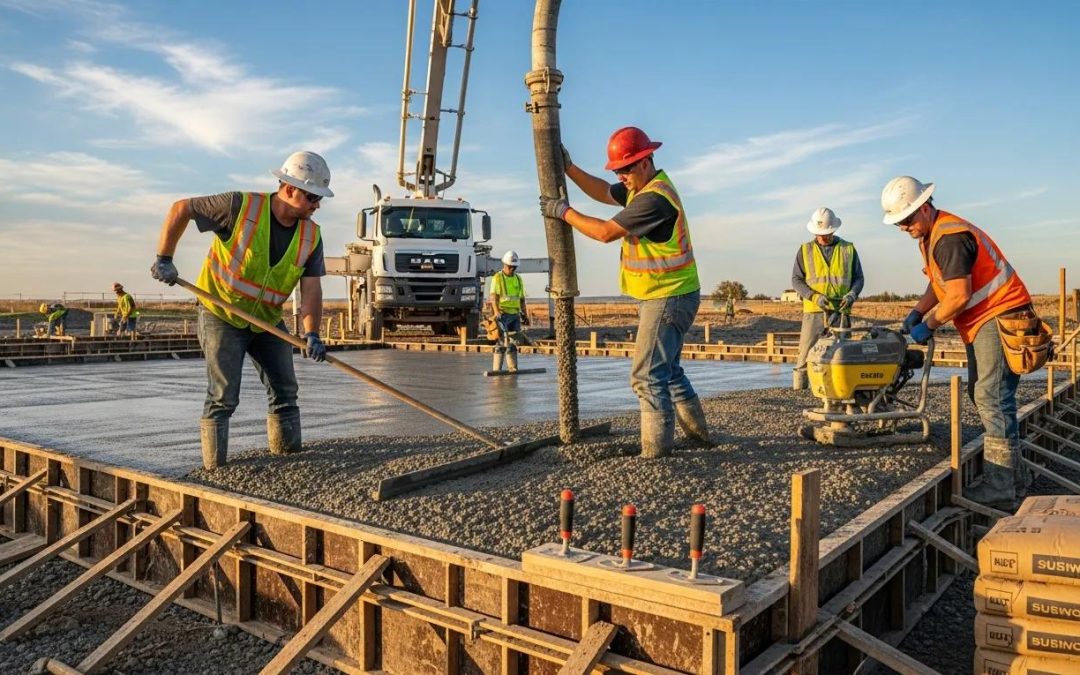
Why Professional Concrete Installation Guarantees Durability
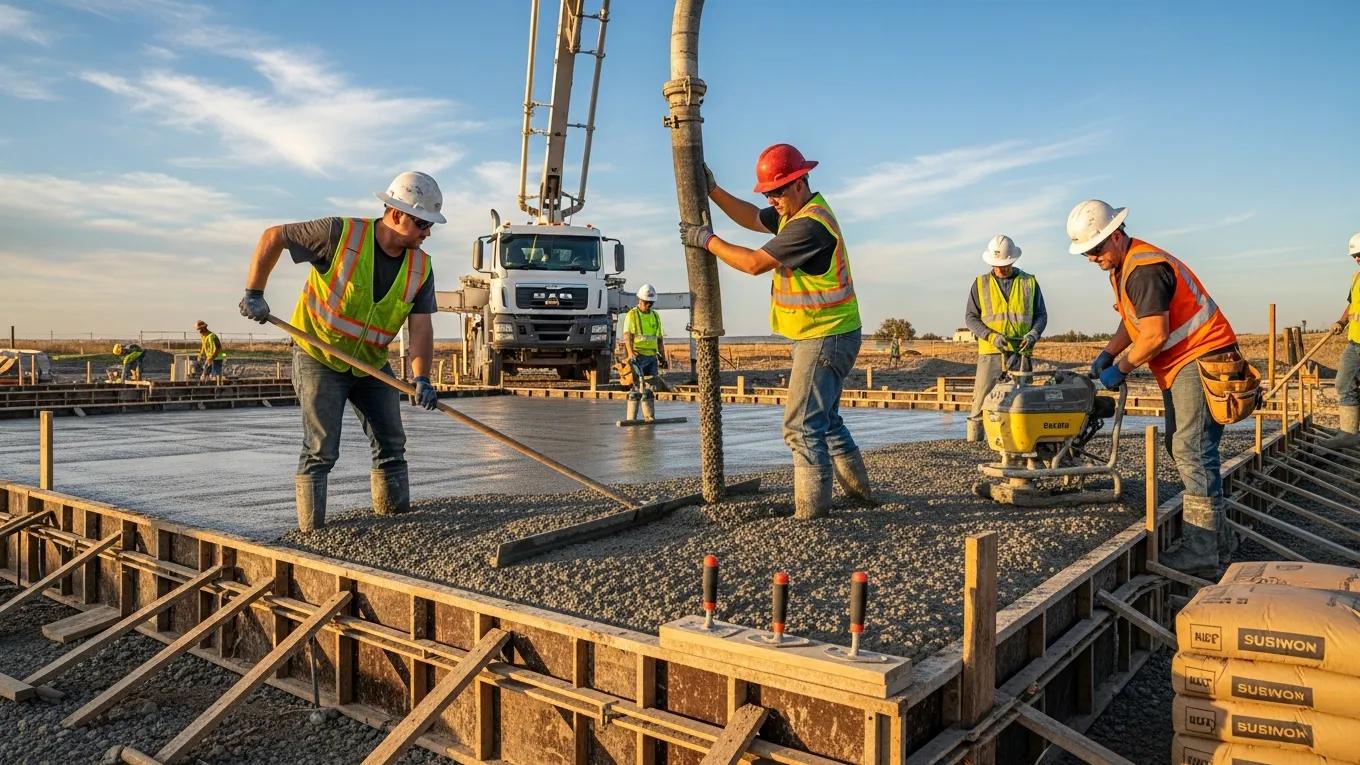
How Expert Concrete Installation Maximizes Durability and Value
By Steve Morici, Morici Bros Concrete LLC | Milwaukee’s Top
Professional concrete installation combines proven techniques, quality materials, and skilled labor to maximize durability and long-term value. Many homeowners and builders underestimate installation quality, which often leads to premature deterioration and higher repair costs. This article summarizes key installation techniques, Milwaukee-specific factors, and maintenance steps that extend the life of concrete. For local service coverage, see the available service areas.
What Are the Key Concrete Installation Techniques for Lasting Durability?
Longevity depends on proper site preparation, good materials, and correct curing. Each step reduces common failure modes and helps concrete perform as intended.
These core practices form the foundation of durable concrete installations.
How Does Proper Surface Preparation Impact Concrete Longevity?
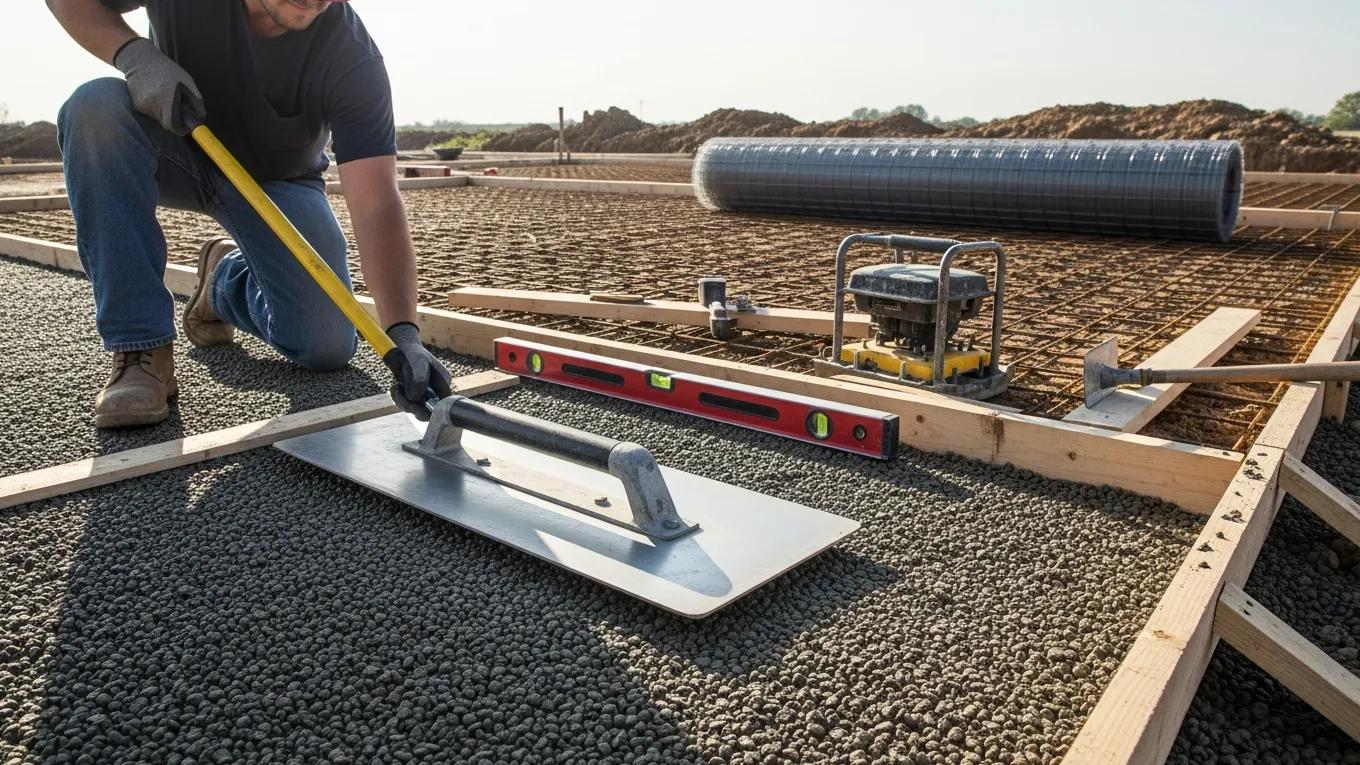
Preparing the surface—cleaning, moistening, and applying bonding agents when needed—helps new concrete adhere and reduces the risk of early cracking and delamination.
What Role Do Reinforcement and Curing Processes Play in Durability?
Reinforcements like rebar or wire mesh control cracking and increase tensile capacity. Proper curing (keeping concrete moist and at suitable temperatures) ensures full hydration and the intended structural properties.
Which Factors Affect Concrete Durability in Milwaukee’s Climate?
Milwaukee poses common northern-climate challenges: freeze-thaw cycles, seasonal moisture, and temperature swings. These conditions influence mix selection, reinforcement, air entrainment, and curing strategies.
How Do Environmental Conditions Influence Concrete Performance?
Freeze-thaw cycles can cause cracking without air-entrained mixes and correct curing. High moisture promotes efflorescence and spalling. Accounting for these factors during design and installation mitigates long-term damage.
Why Is Material Quality Critical for Concrete Slab Longevity?
Using a proper mix design and suitable reinforcement directly affects slab strength, durability, and resistance to environmental stresses. Material quality is a primary determinant of service life.
Understanding concrete properties helps teams specify mixes and treatments that match project demands.
Concrete Longevity: Understanding Durability and Degradation Factors
Concrete is one of the candidate materials under consideration for the construction of LLW disposal facilities because of its strength, durability, abundant availability, and relatively low cost. The LLW disposal facilities must maintain intruder barrier integrity for up to 500 years, without active maintenance after the first 100 years. The ability of concrete to survive for such a long time as a construction material is a critical issue. This report provides a basic understanding of the composition and workings of concrete as a structural material in LLW disposal facilities and a description of degradation factors and state-of-the-art mitigative measures available to preserve the durability and longevity of concrete.
Concrete longevity overview, 1991
Why Should You Hire Professional Concrete Contractors for Foundation Installation?
Professional contractors assess site conditions, select appropriate materials, and apply best practices to ensure foundations meet design intent. Their experience reduces installation errors and future problems.
What Expertise Do Professionals Bring to Concrete Installation?
Pros evaluate soil, drainage, reinforcement needs, and curing plans, and they control mix placement and finishing to meet structural and durability requirements.
How Does Professional Installation Improve Long-Term Reliability?
Adherence to industry standards, correct material use, and proper curing increase structural integrity and reduce maintenance costs; many contractors also offer warranties for additional assurance.
How Can Maintenance and Repair Extend the Life of Your Concrete Installation?
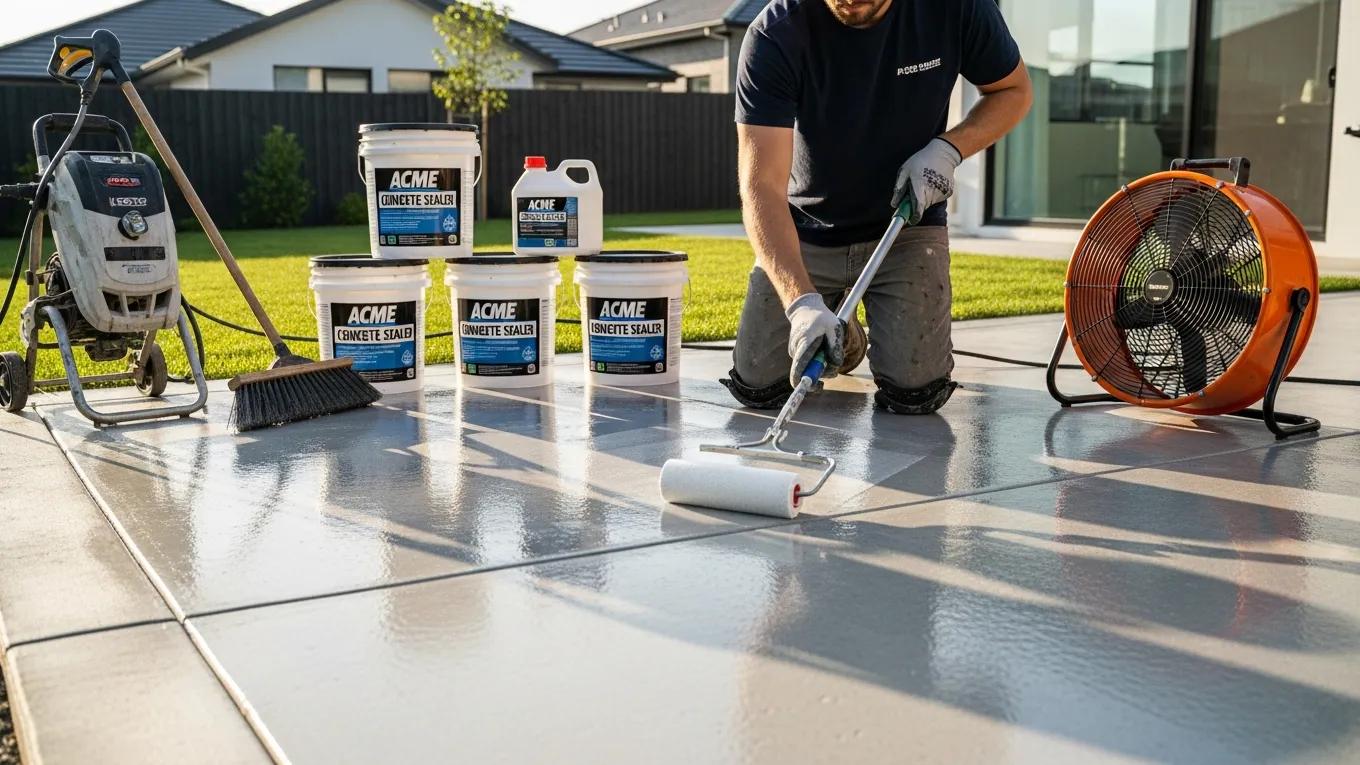
Routine maintenance and timely repairs prevent minor defects from becoming major issues and extend service life.
What Are Effective Maintenance Practices for Durable Concrete?
- Regular Inspections: Look for cracks, spalling, and surface damage.
- Seasonal Maintenance: Apply appropriate sealants before winter to limit moisture ingress.
- Prompt Repairs: Address damage early to prevent wider deterioration.
When Is Professional Repair Necessary to Preserve Concrete Integrity?
Hire professionals for large cracks, spalling, uneven slabs, or drainage-related problems. Experts can diagnose root causes and apply fixes that restore long-term performance. For services or estimates, contact the team via their contact us page.
Frequently Asked Questions
What are the common signs that indicate my concrete installation needs repair?
Visible cracks, spalling (surface flaking), uneven areas, and water pooling are common indicators. Early detection through routine checks helps avoid larger structural issues.
How often should I perform maintenance on my concrete surfaces?
At minimum, inspect annually and apply sealants seasonally (especially before winter). Climates with freeze-thaw cycles benefit from more proactive maintenance.
Can I perform concrete repairs myself, or should I hire a professional?
Minor patching and small crack fillers are DIY-capable, but significant defects or structural concerns require professional assessment and repair to ensure durability.
What is the average lifespan of professionally installed concrete?
With proper installation and maintenance, professionally installed concrete often lasts for decades. Lifespan depends on installation quality, environment, and upkeep.
What types of sealants are best for protecting concrete surfaces?
Acrylic sealants are easy to apply for general protection; epoxy gives a durable finish for high-traffic areas; polyurethane offers strong chemical and UV resistance. Choose by surface use and exposure.
How does temperature affect the curing process of concrete?
Concrete cures best between moderate temperatures; cold slows hydration and can weaken the cure, while heat can cause rapid moisture loss and surface cracking. Use curing blankets or controlled methods when needed.