Essential Concrete Safety Tips

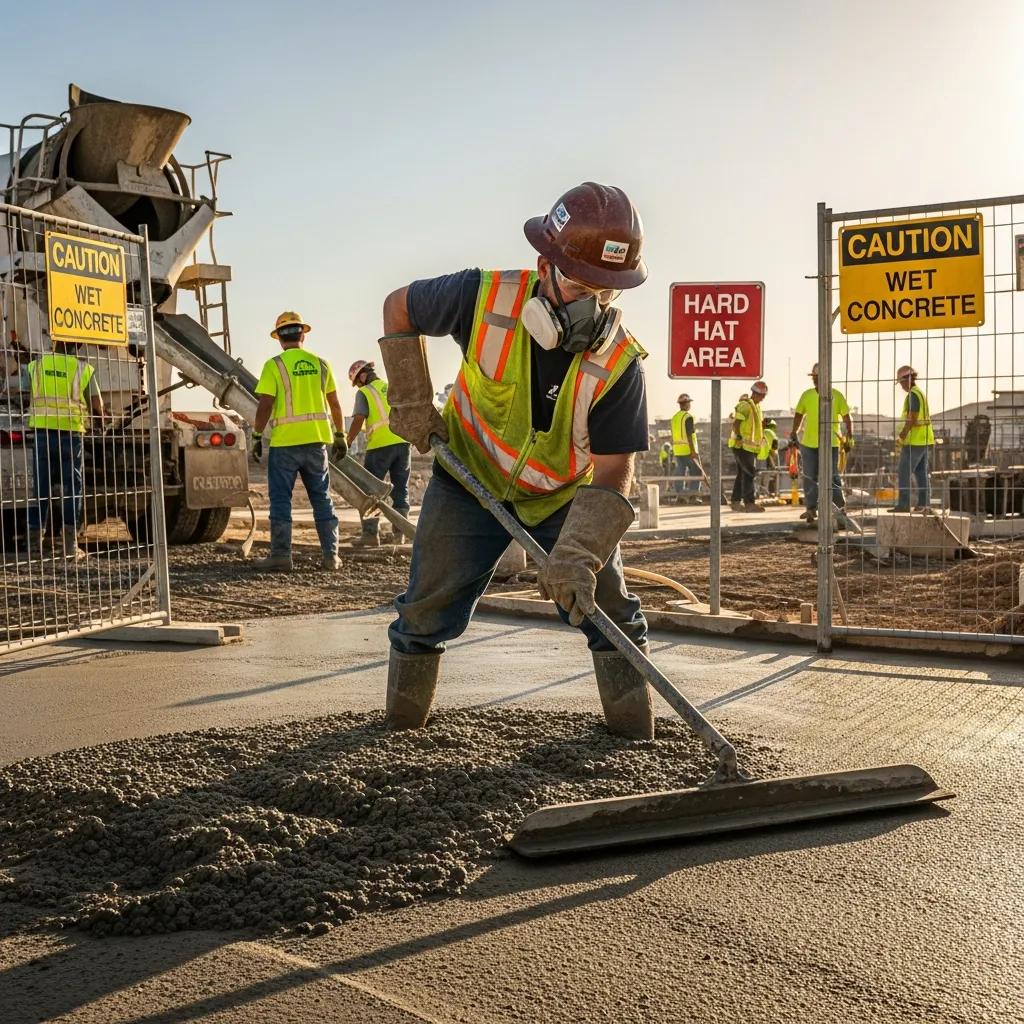
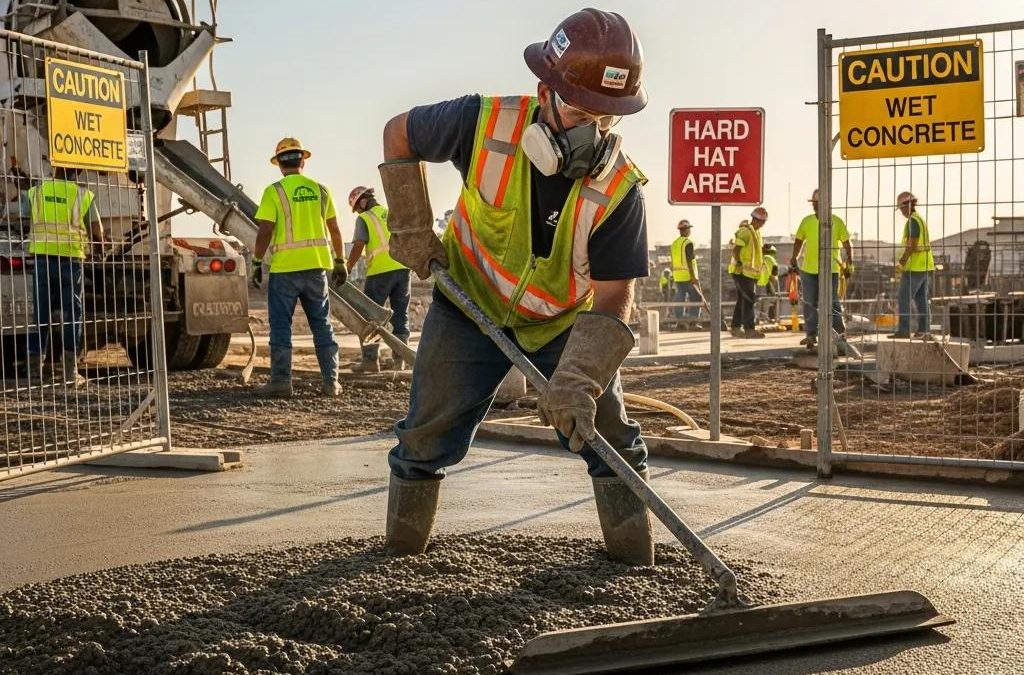
Construction worker in PPE smoothing wet concrete on job site, surrounded by safety signs and additional crew, emphasizing concrete safety measures.

Essential Concrete Safety Tips: Comprehensive Guide to Protect Workers and Ensure Site Safety

Concrete work is a critical aspect of construction that requires strict adherence to safety protocols to protect workers from potential hazards. This comprehensive guide will provide essential concrete safety tips, focusing on personal protective equipment (PPE), chemical burn prevention, job site safety procedures, safe handling and mixing practices, and emergency response management. By understanding these safety measures, workers can significantly reduce the risk of injuries and ensure a safer work environment.

In this article, we will explore the necessary PPE for concrete work, how to prevent chemical burns, essential job site safety procedures, best practices for handling and mixing concrete, and effective emergency response strategies. Each section will provide valuable insights and practical tips to enhance safety on concrete job sites.

What Personal Protective Equipment Is Required for Safe Concrete Work?

Personal protective equipment (PPE) is essential for ensuring the safety of workers involved in concrete work. PPE serves as the first line of defense against various hazards, including chemical exposure, physical injuries, and respiratory issues. Proper use and maintenance of PPE can significantly reduce the risk of accidents and injuries on the job site.

Which Types of PPE Protect Against Concrete Hazards?

The following types of PPE are crucial for protecting workers from concrete hazards:

  1. Gloves: Heavy-duty, waterproof gloves protect against skin abrasions and chemical burns from wet concrete.
  2. Goggles: Safety goggles or face shields shield the eyes from concrete splashes and dust, preventing irritation and injury.
  3. Respirators: NIOSH-approved respirators or masks are necessary to protect against inhaling concrete dust and harmful chemicals during mixing, cutting, and pouring.

Emphasizing the importance of comprehensive protection, industry guidelines further detail specific measures to guard against concrete exposure.

Concrete Splatter Protection & PPE

The problem of splatter requires employees to wear standard eye protection. The use of long sleeve shirts during summer time work should be tempered to fit the situation in order to prevent skin exposure to concrete.

Health and Safety Working with Concrete, 2002

Using the appropriate PPE not only safeguards workers but also promotes a culture of safety on the job site.

How to Properly Use and Maintain Concrete Safety Equipment?

To ensure the effectiveness of PPE, proper usage and maintenance are vital. Here are some best practices:

  1. Inspect Regularly: Check PPE for any signs of wear or damage before each use.
  2. Clean After Use: Clean gloves, goggles, and masks according to manufacturer instructions to prevent contamination.
  3. Store Properly: Store PPE in a dry, clean area to avoid damage and ensure longevity.

By following these practices, workers can maximize the protective benefits of their safety equipment.

How Can Chemical Burns from Concrete Be Prevented Effectively?

Close-up of hands wearing waterproof gloves working with wet concrete, emphasizing personal protective equipment (PPE) for safety in concrete handling.

Chemical burns from concrete can occur due to the caustic nature of wet concrete, which can cause severe skin irritation and damage. Understanding the common chemical hazards and implementing preventive measures is essential for worker safety.

What Are the Common Chemical Hazards in Concrete Handling?

Concrete contains several chemical components that can pose risks, including:

  • Calcium hydroxide: A byproduct of cement hydration that can cause skin burns.
  • Silica dust: Inhalation can lead to respiratory issues and lung disease, including silicosis.
  • Alkaline solutions: Found in wet concrete, these can cause chemical burns upon contact with skin.

Recognizing these hazards is the first step in preventing chemical burns.

Which Safety Measures Minimize the Risk of Concrete Chemical Burns?

To minimize the risk of chemical burns, workers should adopt the following safety measures:

  1. Wear Appropriate PPE: Always use waterproof gloves, long sleeves, and boots to protect skin from contact with wet concrete.
  2. Training and Awareness: Conduct regular training sessions to educate workers about the hazards and safe handling practices.
  3. Immediate Cleanup: Promptly wash off any concrete that comes into contact with skin with clean water to prevent burns.

Implementing these measures can significantly reduce the risk of chemical burns on the job site.

What Are the Essential Concrete Job Site Safety Procedures to Follow?

Establishing and following safety procedures on concrete job sites is crucial for preventing accidents and injuries. These procedures help identify hazards and ensure that all workers are aware of the necessary safety protocols.

How to Identify and Manage Common Concrete Job Site Hazards?

Common hazards on concrete job sites include:

  • Slips and Falls: Wet surfaces can lead to slips; proper signage, non-slip footwear, and dry pathways can mitigate this risk.
  • Heavy Lifting: Improper lifting techniques can cause musculoskeletal injuries; training on safe lifting practices is essential.
  • Equipment Safety: Ensure all machinery is well-maintained and operators are trained to use equipment safely.

By identifying these hazards, workers can implement strategies to manage and reduce risks effectively.

What Step-by-Step Safety Protocols Ensure a Secure Concrete Work Environment?

To maintain a secure work environment, follow these step-by-step safety protocols:

  1. Conduct Daily Safety Briefings: Discuss potential hazards and safety measures before starting work.
  2. Use Proper Signage: Clearly mark hazardous areas and provide instructions for safe practices.
  3. Regular Inspections: Perform routine checks of equipment and work areas to identify and address safety concerns.

These protocols help create a culture of safety and accountability among workers.

What Are the Best Practices for Safe Concrete Handling and Mixing?

Safe handling and mixing of concrete are essential to prevent accidents and ensure quality work. Understanding the best practices can help workers manage risks effectively.

How to Safely Handle Wet Concrete to Prevent Injuries?

When handling wet concrete, workers should:

  1. Use Proper Lifting Techniques: Bend at the knees and keep the load close to the body to avoid strain.
  2. Wear Non-Slip Footwear: This reduces the risk of slips when walking on wet surfaces.
  3. Avoid Overexertion: Take breaks to prevent fatigue, which can lead to accidents.

Implementing these practices can significantly reduce the risk of injuries during concrete handling.

Which Techniques Reduce Exposure to Concrete Dust and Other Risks?

To minimize exposure to concrete dust and other risks, consider the following techniques:

  1. Use Water During Mixing and Cutting: This helps suppress dust and reduces inhalation risks.
  2. Implement Dust Control Measures: Use vacuums with HEPA filters or water sprays to minimize airborne dust during cutting or grinding.
  3. Provide Adequate Ventilation: Ensure work areas are well-ventilated to disperse dust and fumes.

These techniques are vital for maintaining a safe work environment.

Key Concrete Safety Tips to Protect Workers and Ensure Site Safety

Construction workers administering first aid for a chemical burn injury at a job site, with an emergency eyewash station and a first aid kit visible.

Effective emergency response management is crucial for addressing injuries that may occur on concrete job sites. Knowing how to respond can save lives and minimize the severity of injuries.

What Are the Immediate First Aid Steps for Concrete Chemical Burns?

In the event of a chemical burn from concrete, follow these immediate first aid steps:

  1. Rinse with Water: Flush the affected area with copious amounts of water for at least 15 to 20 minutes.
  2. Remove Contaminated Clothing: Carefully remove any clothing that has come into contact with wet concrete.
  3. Seek Medical Attention: If the burn is severe, persistent, or covers a large area, seek professional medical help immediately.

These steps are critical for minimizing damage and ensuring proper treatment.

When and How to Seek Professional Medical Assistance After Concrete Injuries?

Workers should seek professional medical assistance in the following situations:

  1. Severe Burns: If the burn is deep, extensive, or causes significant pain, immediate medical care is necessary.
  2. Respiratory Issues: Difficulty breathing, persistent coughing, or chest pain after exposure to concrete dust warrants medical evaluation.
  3. Injuries from Equipment: Any injury involving machinery should be assessed by a medical professional.

Understanding when to seek help can prevent complications and ensure proper care.

Safety ProcedureDescriptionImportance
Daily Safety BriefingsDiscuss hazards and safety measuresEnhances awareness
Proper SignageMark hazardous areasPrevents accidents
Regular InspectionsCheck equipment and work areasIdentifies risks

This table summarizes essential safety procedures that contribute to a secure concrete work environment.

Concrete work presents various hazards, but by following these essential safety tips, workers can significantly reduce the risk of injuries. Proper use of PPE, awareness of chemical hazards, adherence to job site safety procedures, safe handling practices, and effective emergency response management are all critical components of a safe concrete work environment. Morici Bros Concrete emphasizes the importance of these safety measures in their concrete installation and repair services, ensuring that all projects are completed with the highest safety standards in mind.

GDPR compliance logo on blue background, indicating privacy and cookie management for Morici Bros Concrete website.
Privacy Overview

This website uses cookies so that we can provide you with the best user experience possible. Cookie information is stored in your browser and performs functions such as recognising you when you return to our website and helping our team to understand which sections of the website you find most interesting and useful.