Essential Steps for Concrete Site Preparation
Conquer Concrete Prep Steps
Preparing a concrete site is essential to ensure longevity and stability. This guide summarizes the key actions—foundation excavation, soil compaction, and ground leveling—so homeowners and contractors can avoid common failures and costly repairs.
What Are the Essential Steps for Preparing a Concrete Site?
The core steps are foundation excavation, soil compaction, and ground leveling. Together they create a stable base that supports concrete loads and reduces risks such as settling, cracking, and increased maintenance.
How Does Foundation Excavation Ensure a Stable Base?
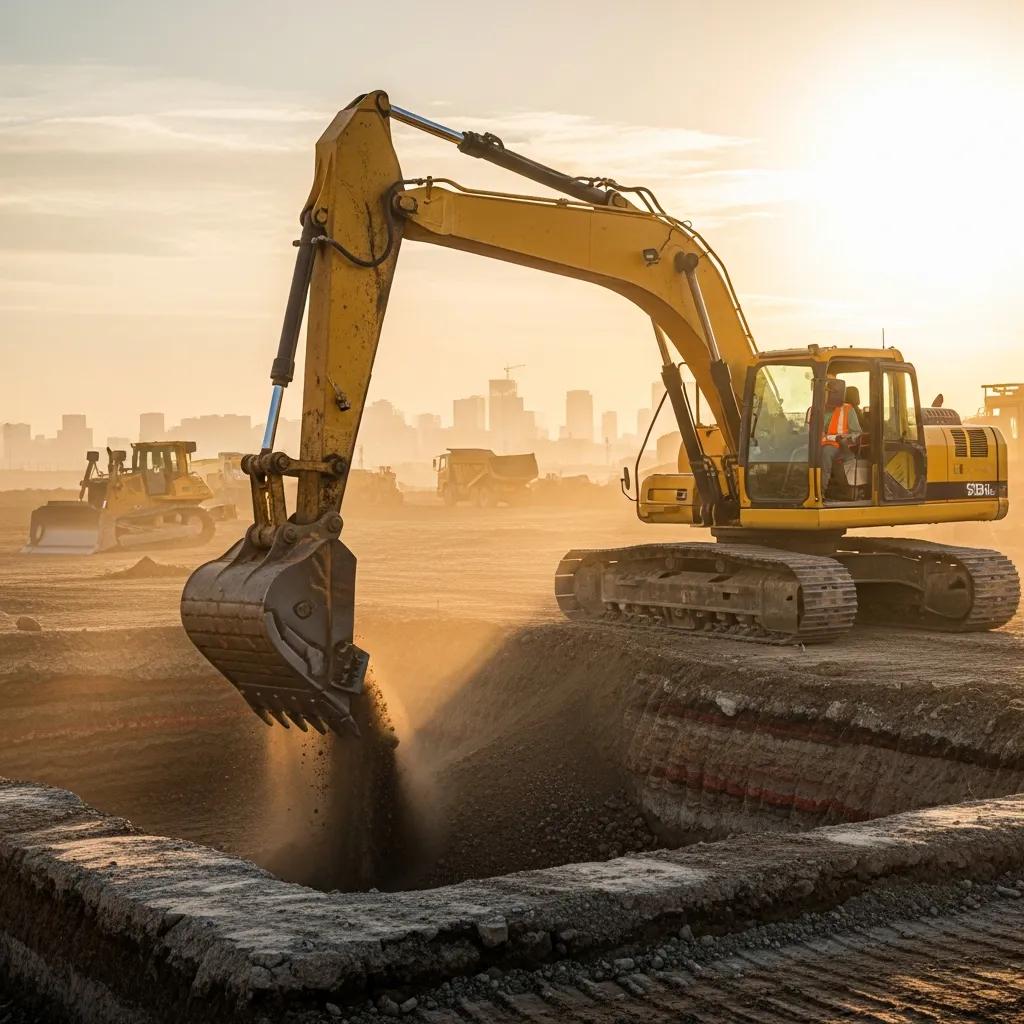
Excavation removes unsuitable soil and creates the required depth and footprint for a foundation. Proper trenching and bulk excavation establish level, supported footings and reduce future movement.
Why Is Soil Compaction Critical Before Pouring Concrete?
Compaction increases soil density and strength by eliminating air pockets. Correct compaction methods for the soil type improve load-bearing capacity and extend the life of concrete structures.
Research further emphasizes the important role of soil compaction in construction and its impact on soil properties.
Soil Compaction for Construction Foundations
Soil compaction on construction sites occurs either deliberately when foundations and subgrades are prepared for construction or as an unintended result of vehicular traffic (Randrup and Dralle 1997). Soil compaction decreases porosity (e.g.,Harris 1971), which results in reduced flow of air and water through the soil, as well as reduced root growth (e.g.,Viehmeyer and Hendrickson 1948;Craul 1994).
Measuring soil compaction on construction sites: A review of surface nuclear gauges and penetrometers, TB Randrup, 2001
How Is Foundation Excavation Performed for Concrete Projects?
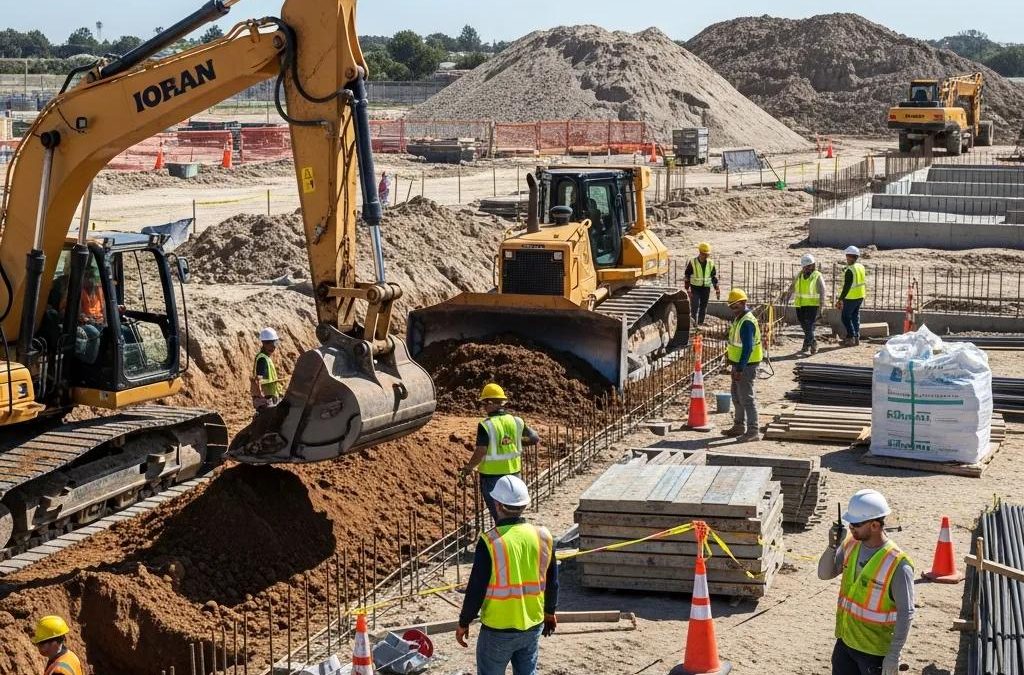
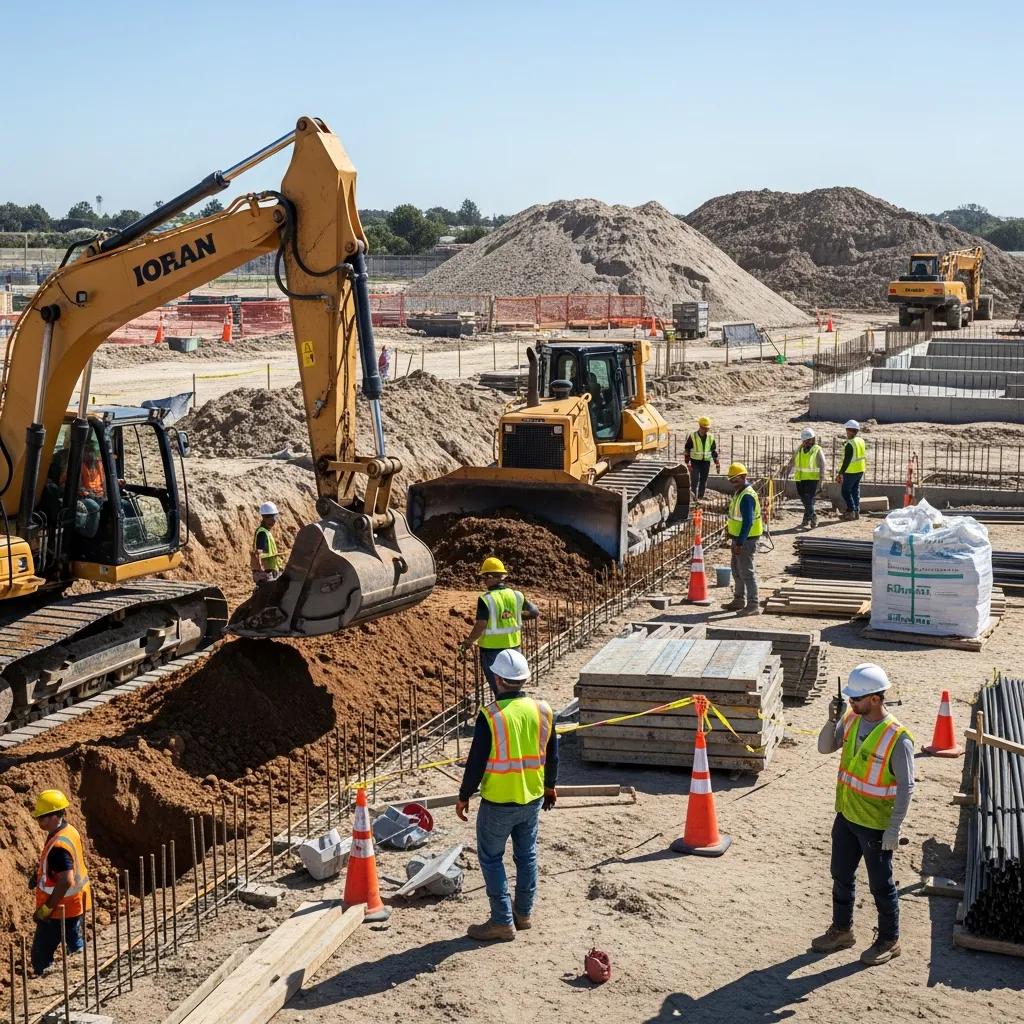
Excavation begins with layout and clearing, then heavy equipment is used to reach specified depths. Safety measures such as shoring or trench boxes protect workers during excavation.
What Equipment Is Used in Foundation Excavation Services?
Common machinery includes excavators, backhoes, and bulldozers—each selected to match site scale, soil conditions, and access to control cost and schedule.
How Do Professionals Manage Excavation for Different Soil Types?
Pros assess composition and moisture to choose methods: sandy soils require different handling than clays. Adapting techniques minimizes collapse risk and preserves bearing capacity.
What Are the Best Ground Leveling Techniques for Concrete Slabs?
Leveling creates a uniform surface for slabs and ensures proper drainage. Methods range from conventional grading to laser-guided systems that improve flatness and reduce rework.
How Is Site Grading Done to Prepare for Concrete Slabs?
Grading removes high spots and fills low areas to achieve the designed slope for drainage. Consistent grading prevents water pooling that can damage concrete.
Which Tools and Methods Ensure Precise Ground Leveling?
Use laser levels, grading rakes, and compactors, and check surfaces frequently. Accurate leveling reduces material waste and helps the slab perform as intended.
How Does Soil Compaction Improve Concrete Site Stability?
Compaction increases bearing capacity and reduces post-pour settlement. Properly compacted subgrades limit cracking and deformation under loads and traffic.
What Are the Common Soil Compaction Techniques for Concrete Sites?
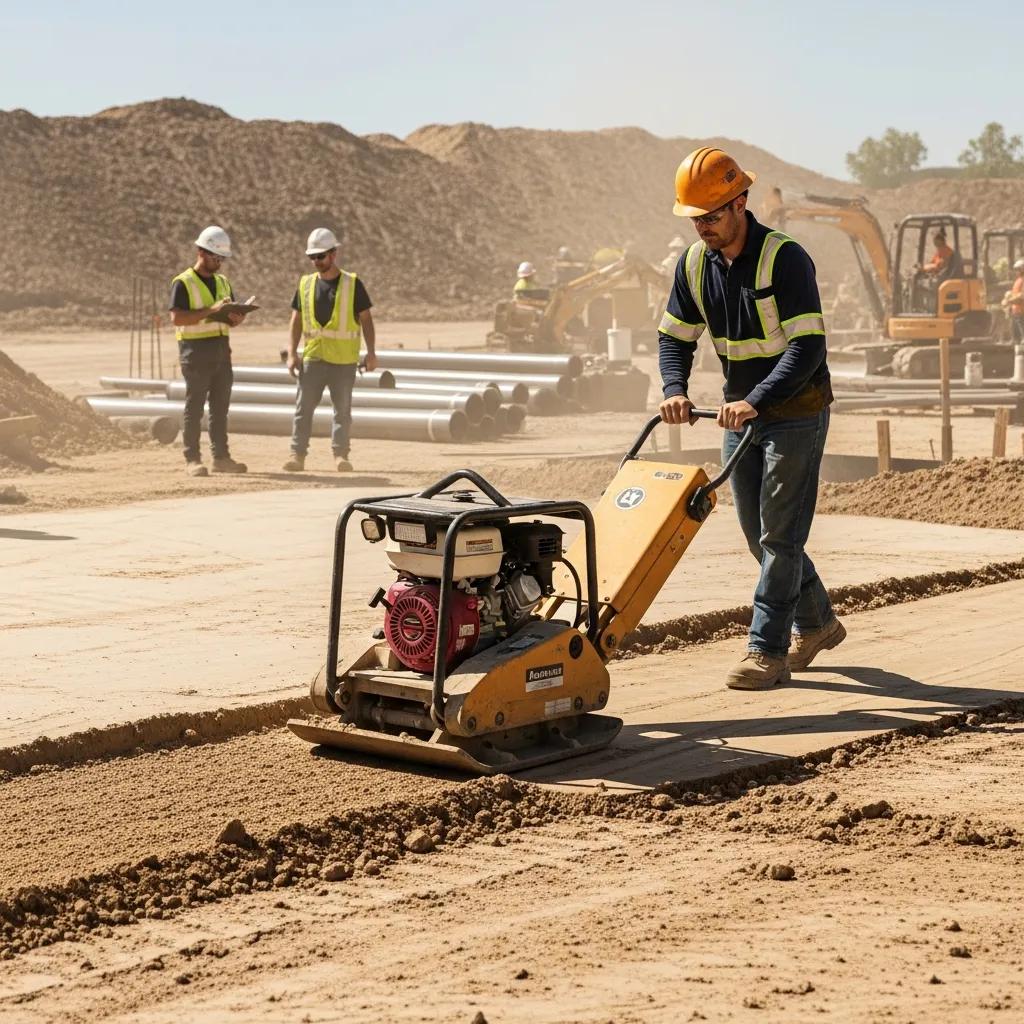
Typical techniques include static, dynamic, and vibratory compaction. Choice depends on soil type, required density, and available equipment.
How Long Does Soil Compaction Take and How Is It Measured?
Compaction time ranges from hours to days depending on depth and soil. Professionals verify density and moisture with tools like nuclear density gauges, sand cone tests, or drive cylinder tests.
What Equipment Is Essential for Effective Concrete Site Preparation?
Key equipment includes hydraulic excavators for digging, vibratory plate compactors or rollers for compaction, and laser grading systems for leveling—matched to project scale.
Which Excavation and Compaction Equipment Are Most Reliable?
Invest in well-maintained, appropriately sized excavators, compactors, and rollers. Reliable equipment speeds work, improves outcomes, and reduces repair risks.
How Does Equipment Choice Affect Project Cost and Timeline?
Higher-quality, efficient machinery often reduces labor hours and rework, lowering overall cost despite higher rental or purchase prices. Poor equipment increases delays and expenses.
How Can Homeowners & Contractors Ensure Quality Concrete Site Prep?
Quality depends on correct excavation depth, uniform grading, and verified compaction. Documentation and inspections at each stage help confirm standards are met.
What Are the Signs of Proper Site Preparation Before Concrete Pour?
Look for a level surface, correct slope for drainage, and a measured, compacted subgrade. These signs indicate the site is ready for a durable pour.
When Should You Contact Professionals Like Morici Bros Concrete?
Call professionals when you lack equipment or experience. Firms such as Morici Bros Concrete provide expertise in excavation, leveling, and compaction to ensure reliable results.
Frequently Asked Questions
What are the potential consequences of poor site preparation for concrete projects?
Poor preparation can lead to significant issues such as uneven settling, cracking, and erosion, which can compromise the structural integrity of the concrete. These problems not only shorten the service life of the concrete but also result in costly repairs and safety hazards. Ensuring proper site preparation is crucial to avoid these negative outcomes and to maintain the durability of the concrete structure.
How can weather conditions affect concrete site preparation?
Weather plays a critical role in concrete site preparation. Rain can hinder proper soil compaction, leading to muddy conditions that complicate excavation. Conversely, extreme dryness can cause the soil to harden, making it difficult to achieve the desired compaction. Additionally, temperature fluctuations can affect the curing process of the concrete, impacting its strength and longevity. Planning site preparation around weather conditions is essential for optimal results.
What is the role of drainage in concrete site preparation?
Effective drainage is vital in concrete site preparation as it directs water away from the foundation, reducing the risk of erosion and soil saturation. Proper drainage prevents the undermining of both concrete and soil strength, which can lead to structural failures. Implementing a well-designed drainage system ensures that the site remains stable and that the concrete maintains its integrity over time.
How can I determine if my soil is suitable for concrete pouring?
To assess soil suitability for concrete pouring, evaluate its composition, moisture content, and compaction levels. Conducting a soil test or consulting with a geotechnical engineer can provide insights into the soil’s load-bearing capacity and any necessary treatments. This evaluation is crucial to ensure that the soil can adequately support the weight of the concrete and prevent future issues.
What are the best practices for maintaining a concrete site after preparation?
After site preparation, monitor for signs of erosion or settling and keep drainage systems clear to prevent water accumulation. Limiting heavy traffic on the prepared ground helps maintain its integrity. Promptly addressing any minor issues will preserve the quality of the site and ensure the longevity of the concrete structure.
What should I look for when hiring a contractor for concrete site preparation?
When hiring a contractor for concrete site preparation, consider their experience, the quality of their equipment, and their reputation through references. Ensure they are knowledgeable about local building codes and regulations. A contractor with a proven track record and clear inspection practices will likely provide reliable, high-quality service and help ensure your project is completed successfully.