
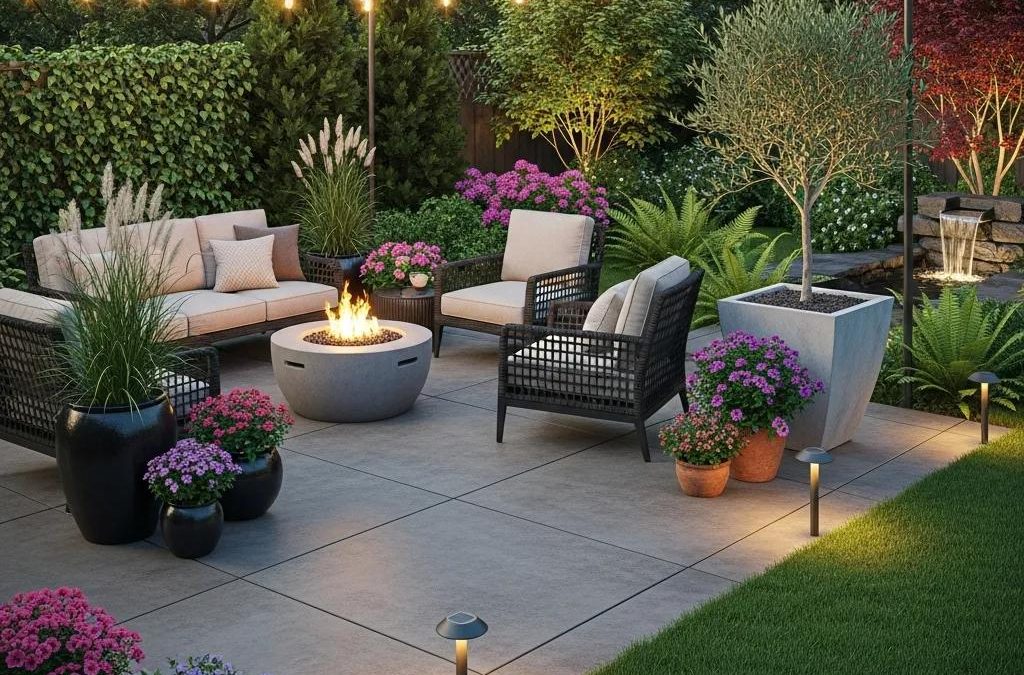
Concrete Patio Ideas to Transform Your Backyard
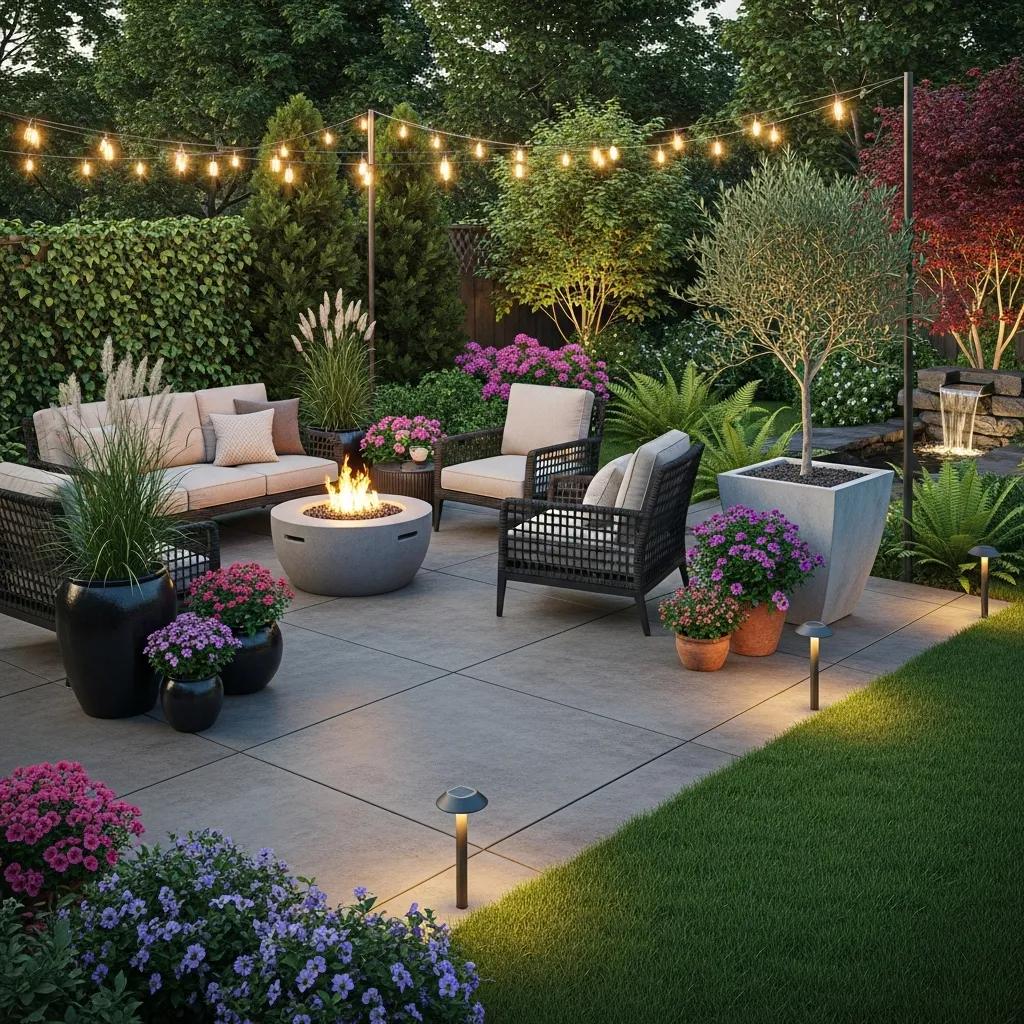
Top Concrete Patio Ideas: Expert Design and Installation Guide
Concrete patios are a durable, versatile way to expand outdoor living. This guide highlights practical design ideas, key installation steps, and concise tips to help you choose and care for a patio that fits your home and lifestyle.
Expert Design Concepts
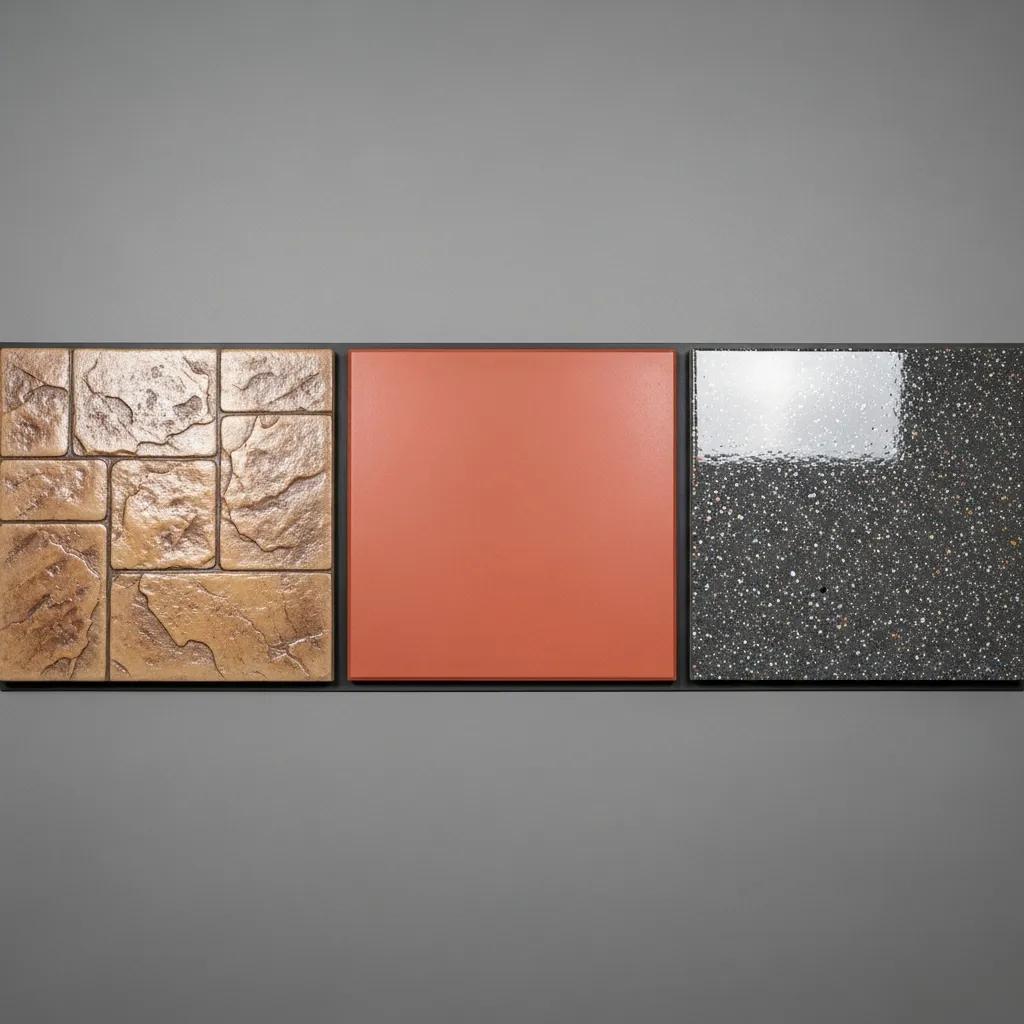
Decorative concrete adapts to many aesthetics and uses. Consider these popular approaches:
- Stamped Concrete: Mimics stone, brick, or wood with patterns and color accents.
- Colored Concrete: Integral or surface color lets you match landscaping or architecture.
- Polished Concrete: Low-maintenance, modern finish suitable for minimalist or contemporary spaces.
Combine these finishes with features like built-in seating, fire pits, or an outdoor kitchen to increase function and curb appeal.
Installation Insights
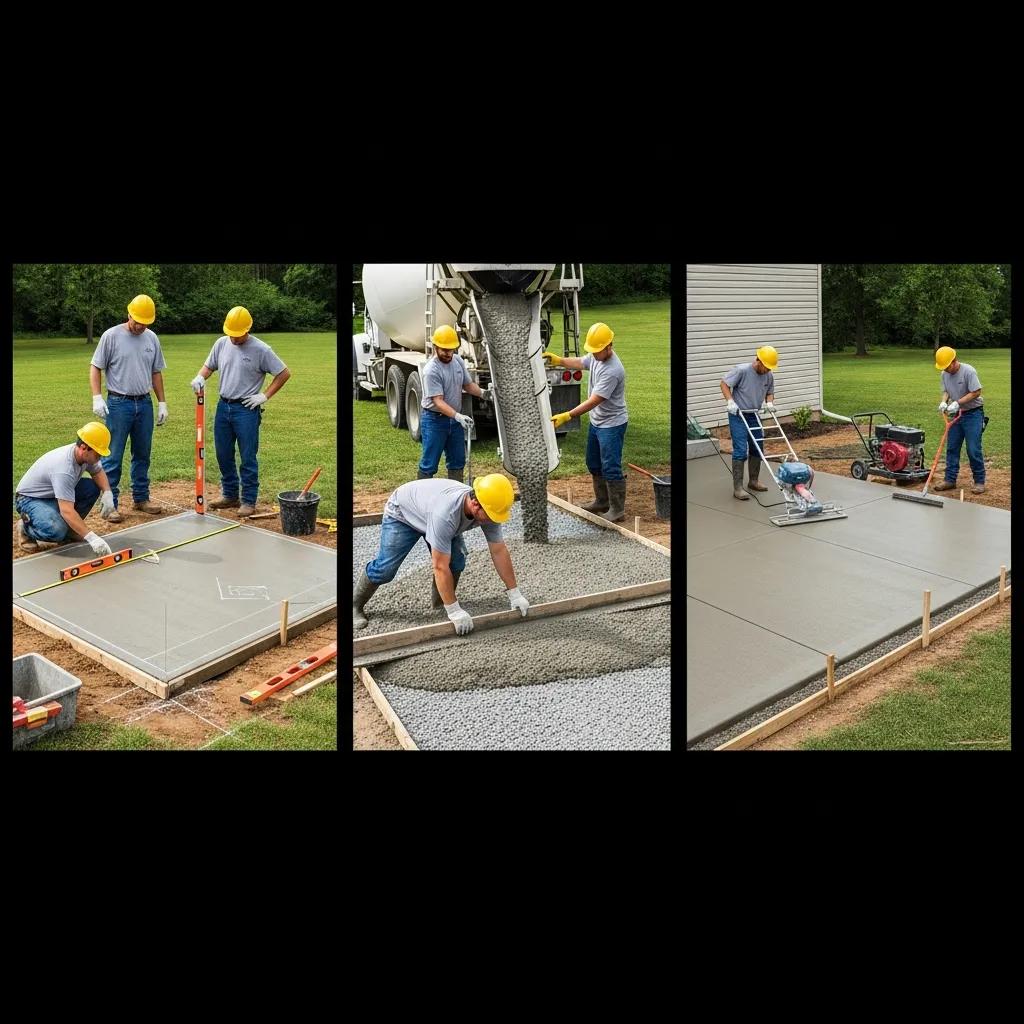
Successful installation focuses on preparation, skilled finishing, and proper curing:
- Site Assessment and Preparation: Verify drainage, elevation, and a stable base before forming.
- Concrete Pouring and Finishing Techniques: Experienced crews ensure level surfaces, consistent texture, and correct edge details.
- Curing Process Importance: Controlled curing (moisture and time) preserves strength and minimizes cracking.
For professional help in the Milwaukee area, Morici Bros Concrete LLC offers residential and light commercial concrete services.
Tips for Enhancing Outdoor Spaces
Small additions can greatly improve usability and atmosphere:
- Incorporate Lighting for Ambiance: Path and accent lighting extend evening use.
- Landscaping Integration: Plants and planters soften concrete edges and add color.
- Regular Maintenance Practices: Clean, seal, and repair promptly to protect the surface.
Thoughtful layout and material choices help a patio feel like an intentional extension of your home.
Decorative Concrete for Landscape Aesthetics
Decorative elements, organically inscribed in the landscape of the settlement, will not only decorate it, but also give a deep meaning, forming a positive mood and aesthetic taste among people.
Small Architectural Forms Made of Decorative Concrete for Landscape Design of Rural Settlements, 2022
What Are the Best Concrete Patio Designs to Enhance Your Backyard?
Choose patterns that match your home’s style and how you use the space:
- Cobblestone Patterns: Classic, formal look for traditional homes.
- Slate Patterns: Sleek, contemporary appearance with clean lines.
- Brick Patterns: Rustic, warm aesthetic that suits cottage or farmhouse styles.
Custom borders, color tones, and transitions to lawn or decking refine the final look.
How Do Decorative Concrete Patios Add Value and Style?
Decorative concrete increases usability and curb appeal while offering long-term durability:
- Durability and Resistance to Weather: Properly installed concrete withstands traffic and seasons.
- Aesthetic Appeal and Customization: Patterns, colors, and finishes let you match architecture and landscape.
- Increased Usability and Property Value: A functional outdoor living area attracts buyers and enhances lifestyle.
What Are Popular Stamped Concrete Patio Patterns and Finishes?
Stamped concrete provides many textured looks without the maintenance of natural materials:
- Classic Cobblestone: Traditional, elegant paving appearance.
- Wood Plank Designs: Wood look with the durability of concrete.
- Texture and Safety Considerations: Choose textures that improve traction in wet conditions.
Durability-focused mixes and proper installation further extend performance in different climates.
Enhancing Stamped Concrete Durability
Findings indicate that incorporating 25% iron ore tailing as a cement substitute enhances the durability of pavement blocks, as evidenced by improved resistance to sulphate and chloride attacks, reduced water absorption, and increased abrasion resistance. SEM and XRD analyses reveal a denser microstructure and favourable phase compositions, contributing to the material’s enhanced performance.
Durability Study on Replacement of Cement by Iron Ore Tailings in Stamped Pavement Blocks, 2025
How Does the Concrete Patio Installation Process Work?
Installation follows a clear sequence to ensure longevity and finish quality:
- Site Assessment and Preparation: Grade, compact base, and set forms.
- Concrete Pouring and Finishing: Pour, screed, float, and apply desired texture or stamp.
- Curing Process: Protect moisture and temperature until the concrete achieves strength.
Planning for access, material staging, and timing reduces delays and cost overruns.
What Is the Typical Timeline for Installing a Concrete Patio?
Timelines depend on size and weather:
- Preparation and Formwork Installation: Often 1–2 days for small to medium sites.
- Concrete Pouring and Curing Times: Pouring typically one day; curing commonly 7–14 days for light use.
- Factors Affecting Timeline: Weather, site access, and design complexity alter schedules.
Which Steps Ensure Quality and Durability in Patio Installation?
Focus on foundation, workmanship, and curing:
- Proper Site Assessment: Address drainage and subgrade compaction.
- Excavation and Formwork Setup: Accurate forms and reinforcement prevent movement.
- Curing Process Importance: Adequate curing preserves strength and finish.
Hiring experienced installers reduces the risk of common failures.
What Are the Cost Considerations for Concrete Patio Projects?
Costs vary with finish, site work, and design:
- Average Costs per Square Foot: Basic to decorative patios span a wide range depending on finishes.
- Factors Influencing Pricing: Site prep, drainage, access, and ornamentation add cost.
- Budget-Friendly Options: Simple slabs with minimal finishing lower upfront cost.
How Is Patio Installation Cost Determined in Milwaukee?
Local labor and material prices, design complexity, and patio size drive estimates in Milwaukee. Comparing quotes and checking references helps find the best value.
What Financing Options Are Available for Concrete Patios?
Common financing paths include contractor plans, payment schedules, and home improvement loans—choose what fits your budget and timeline.
How Can You Maintain and Enhance Your Concrete Patio for Longevity?
Routine care keeps a patio functional and attractive:
- Regular Cleaning and Sealing: Sweep, wash, and reseal periodically to prevent stains.
- Prompt Repairs: Fix small cracks early to avoid larger issues.
- Seasonal Care: Prepare surfaces for freeze-thaw cycles and harsh weather.
What Are Essential Maintenance Tips for Concrete Patios?
Key maintenance actions are simple and effective:
- Regular Cleaning: Remove debris and spills promptly.
- Sealing Every 2-3 Years: Protects against moisture and staining.
- Prompt Repairs: Patch chips and seal cracks to extend life.
These steps preserve appearance and reduce long-term repair costs.
How Do Outdoor Living Enhancements Like Lighting Improve Patio Use?
Lighting and amenities make a patio more usable and welcoming:
- Safety and Navigation: Illuminate steps and paths for safer movement.
- Extended Usability: Evening lighting expands when you can use the space.
- Aesthetic Appeal: Accent lighting highlights features and sets mood.
Combined with seating, shade, and plantings, lighting completes a comfortable outdoor room.
To explore options and get a tailored estimate, consider contacting us.
Frequently Asked Questions
What are the benefits of using decorative concrete for patios?
Decorative concrete combines durability with visual variety—colors, patterns, and finishes let you match your home while creating low-maintenance outdoor living areas that can increase appeal and value.
How can I choose the right design for my concrete patio?
Match the patio’s style to your home and intended use. Review stamped, colored, and polished options, then refine choices with borders, colors, and landscaping to fit entertaining, dining, or relaxation needs.
What maintenance is required for a concrete patio?
Regular sweeping and washing, sealing every few years, prompt crack repair, and seasonal preparedness are the main tasks to protect appearance and performance.
Can I install a concrete patio myself, or should I hire a professional?
DIY is possible for small, simple slabs, but professionals ensure correct site prep, mixing, finishing, and curing—reducing risk of drainage problems, cracking, and uneven surfaces.
What are the common mistakes to avoid when installing a concrete patio?
Avoid poor site preparation, incorrect concrete mix or placement, and rushed or inadequate curing. Planning and proper technique prevent common failures.
How does weather affect the installation and curing of concrete patios?
Extreme heat and cold change curing behavior: hot conditions increase evaporation risk, cold slows hydration. Aim to pour in moderate conditions and use protection (misting, blankets) when needed.
What are some creative ways to enhance the functionality of a concrete patio?
Add built-in seating, a fire pit, an outdoor kitchen, planters, shade structures (pergolas), and layered lighting to create versatile, comfortable outdoor living zones.