
How Thick Should a Concrete Driveway Be?
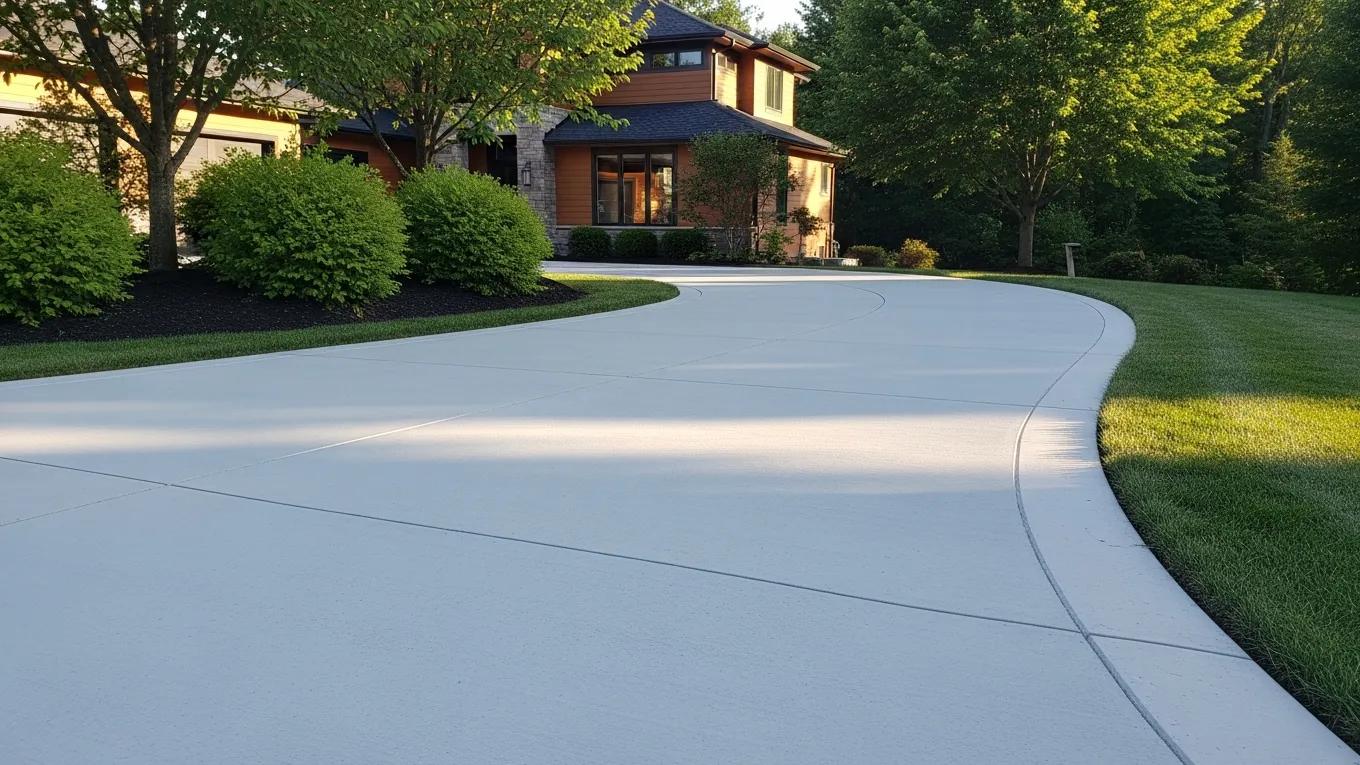
Recommended Concrete Driveway Thickness for Maximum Durability
Choosing the right concrete driveway thickness is key to long-term performance. Thickness governs load capacity, resistance to cracking, and how the slab reacts to local climate stresses. This guide summarizes recommended thicknesses for different vehicles, the effect of reinforcement and concrete mix, base preparation basics, and climate considerations for areas like Milwaukee. For service coverage, see our service areas.
What Is the Recommended Concrete Driveway Thickness for Different Vehicle Types?
Thickness recommendations depend on vehicle type and use. Below are common guidelines to help match slab design to expected loads and traffic.
What Thickness Is Ideal for Residential Cars?
For standard passenger vehicles, a 4-inch slab is typically adequate when the base is well prepared. Check local building codes, as some jurisdictions may require thicker concrete or minimum reinforcement.
How Thick Should a Driveway Be for Heavy Trucks and Light Commercial Vehicles?
For heavier vehicles (trucks, light commercial), 6–8 inches is recommended. Use reinforced concrete (rebar or mesh) and a properly compacted base to limit deflection and reduce cracking under concentrated loads.
How Does Reinforcement Affect Concrete Driveway Thickness and Durability?
Reinforcement improves tensile performance and crack control, which can let you use practical slab thicknesses while increasing service life. Proper placement and cover are important for effectiveness.
What Types of Reinforcement Are Used in Concrete Driveways?
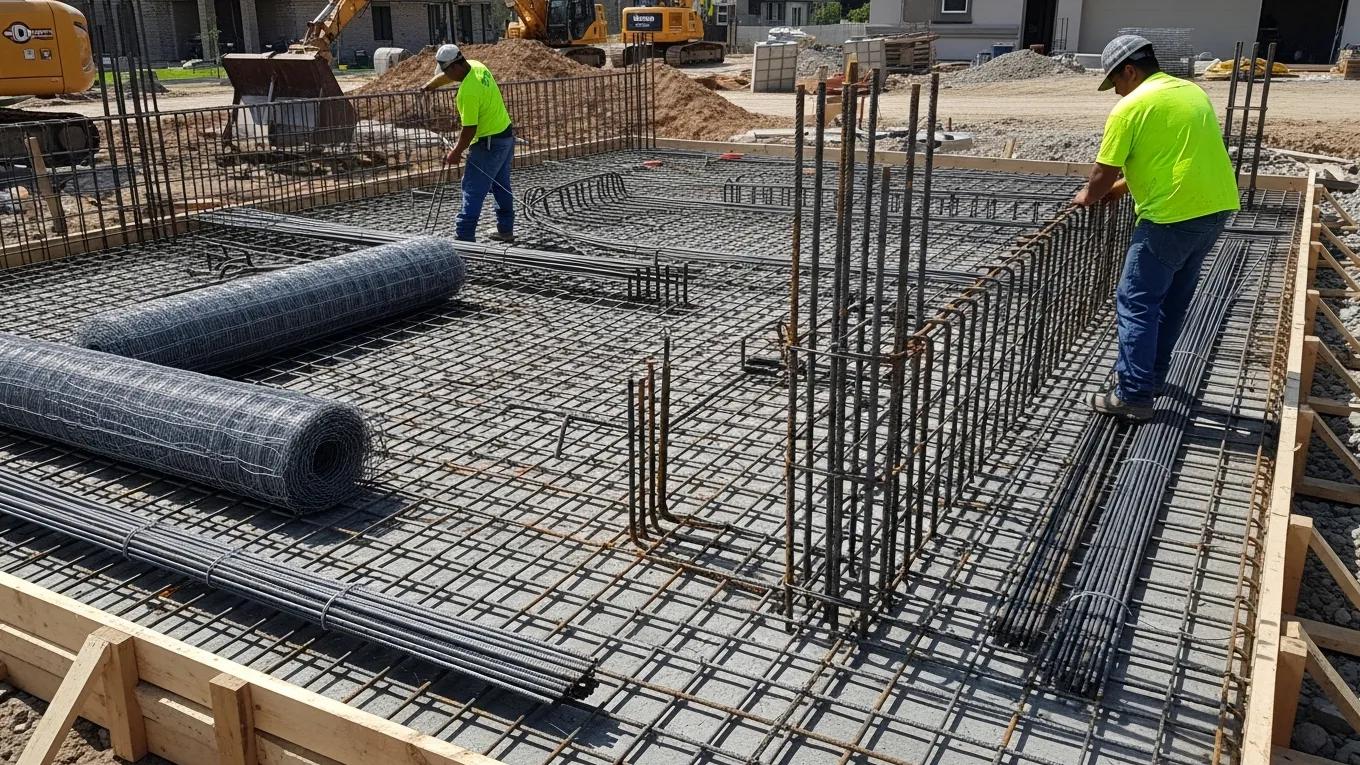
Common reinforcement includes rebar and welded wire mesh. Rebar adds tensile strength where loads are concentrated; wire mesh helps control shrinkage and distributed cracking. Choose the system that suits slab thickness and expected load patterns.
Further research highlights the specific configurations and benefits of various steel wire meshes in enhancing concrete’s mechanical properties.
Steel Wire Mesh Reinforcement for Concrete Strength & Durability
The current study aims to use varied steel wire meshes to investigate the effects of LWAC on mechanical properties. Three types of steel wire mesh are used such as hexagonal (chicken), welded square, and expanded metal mesh, in various layers and orientations in LWAC. Numerous mechanical characteristics were examined, including energy absorption (EA), compressive strength (CS), and flexural strength (FS).
Comparative study of eco-friendly wire mesh configurations to enhance sustainability in reinforced concrete structures, Y Fissha, 2024
How Reinforcement Improves Load Capacity and Longevity
Reinforcement spreads loads, controls cracking, and improves durability when combined with correct curing and joint placement. Even with moderate slab thickness, reinforcement extends service life, especially under repeated or heavy loading. For site-specific recommendations, contact us.
What Are the Key Concrete Mix and Base Preparation Considerations for Driveway Thickness?
Concrete mix design and a well-prepared base are essential to support the chosen thickness. Both influence how the slab performs under load and in changing weather.
How Does Concrete Mix Strength Influence Thickness Requirements?
Higher-strength mixes (often specified around 4,000 psi for residential slabs) can allow efficient, durable slabs at common thicknesses. Mix selection should balance strength, workability, and durability for the climate and use.
Why Is Proper Base Material and Preparation Critical?
Excavation, grading, and a compacted base (crushed stone or gravel) prevent settling and provide drainage. A stable base reduces bending stresses in the slab and lowers the risk of cracking—critical when using standard thicknesses.
How Do Local Climate Conditions in Milwaukee Affect Concrete Driveway Thickness?
Freeze-thaw cycles and deicing chemicals in regions like Milwaukee increase durability demands. Design choices should address these exposures to avoid premature damage.
What Is the Impact of Freeze-Thaw Cycles on Concrete Thickness?
Freeze-thaw action increases the risk of surface scaling and cracking. Slightly thicker slabs (around 6 inches) and air-entrained concrete help resist these cycles by accommodating freeze expansion and improving durability.
How Do Climate-Adapted Concrete Mixes Enhance Driveway Longevity?
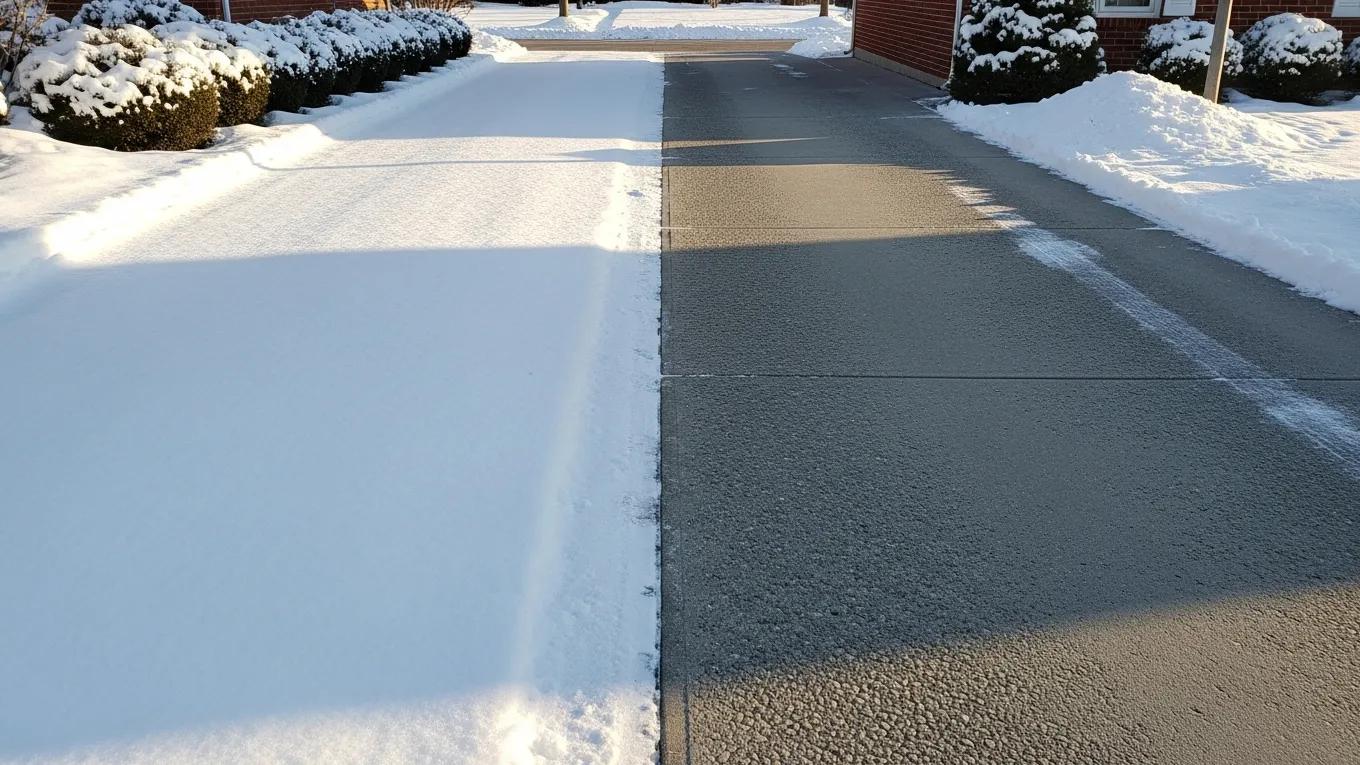
Air-entrained and climate-adapted mixes resist freeze-thaw and deicer exposure. Combined with routine maintenance—sealing, cleaning, and timely crack repair—these mixes extend service life in harsh climates.
For region-specific concrete solutions, see our service areas.
Frequently Asked Questions
What factors should I consider when choosing the thickness of my concrete driveway?
Consider vehicle types, expected traffic, local building codes, climate (freeze-thaw), concrete mix, and base preparation. These together determine the slab thickness and reinforcement needed for long-term performance.
How can I ensure my concrete driveway withstands heavy loads?
Use 6–8 inches of concrete for heavy vehicles, add proper reinforcement (rebar or mesh), and prepare a compacted base with good drainage to minimize deflection and cracking.
What maintenance practices can extend the life of my concrete driveway?
Seal surfaces, clean debris, repair cracks promptly, and maintain drainage. Regular maintenance reduces moisture intrusion and freeze-thaw damage, preserving the slab’s integrity.
Are there eco-friendly options for concrete driveways?
Yes—recycled aggregates, permeable concrete, and sustainable construction practices can reduce environmental impact while maintaining performance in many applications.
How does the curing process affect the durability of my concrete driveway?
Proper curing—maintaining moisture and temperature for the required period—helps concrete achieve intended strength and reduces cracking. Methods include curing compounds, wet coverings, or plastic sheeting.
What are the signs that my concrete driveway needs repair?
Look for visible cracks, surface scaling, uneven settling, or flaking. These indicate underlying issues like poor drainage or inadequate thickness; consult a professional for assessment and repairs.