
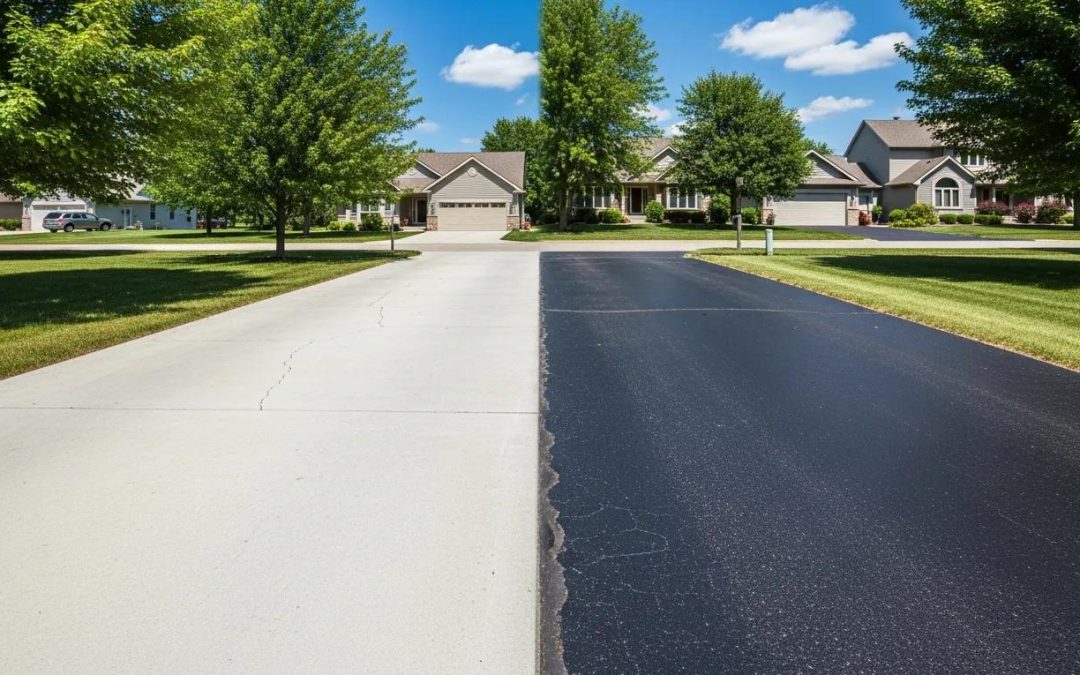
Concrete vs. Asphalt Driveways in Wisconsin: Which Holds Up Better?
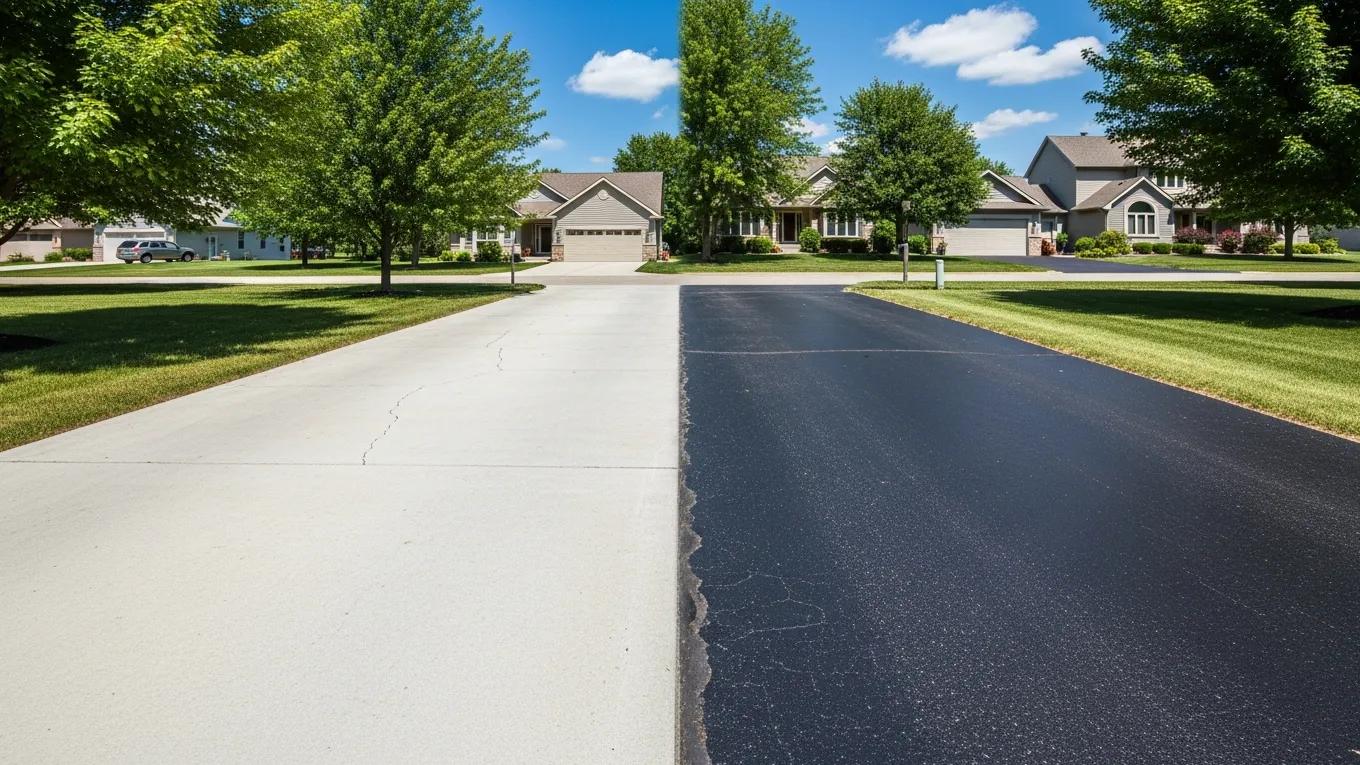
Concrete vs. Asphalt Driveways in Wisconsin: Which Material Offers Superior Durability and Value?
When choosing a driveway material in Wisconsin, homeowners commonly weigh concrete versus asphalt. Both have distinct pros and cons related to cost, durability, climate resilience, and maintenance; understanding these factors helps match material choice to budget and long-term plans.
Concrete typically lasts 25–30 years and costs roughly $4–$10 per square foot to install. Asphalt is cheaper up front (about $2–$5/ft²) with a typical life of 15–20 years. The remainder of this article summarizes how those differences play out in Wisconsin’s climate and what to expect for upkeep and value.
Comparison of Concrete and Asphalt Driveways in Wisconsin
Selecting between concrete and asphalt means balancing initial cost, expected lifespan, and maintenance frequency while factoring in Wisconsin’s freeze-thaw winters.
Durability:
Concrete is stronger under heavy loads and usually lasts longer (25–30 years). Asphalt is more flexible but generally needs replacement sooner (15–20 years), especially where freeze-thaw cycles cause accelerated wear and more frequent repairs.
Value:
Concrete’s higher installation cost can be offset by longer service life and lower long-term maintenance, while asphalt’s lower upfront price may lead to higher lifecycle costs if frequent repairs or resurfacing are required.
Morici Bros Concrete LLC specializes in concrete driveway installation, repair, and maintenance to help homeowners evaluate these trade-offs.
Climate Resilience:
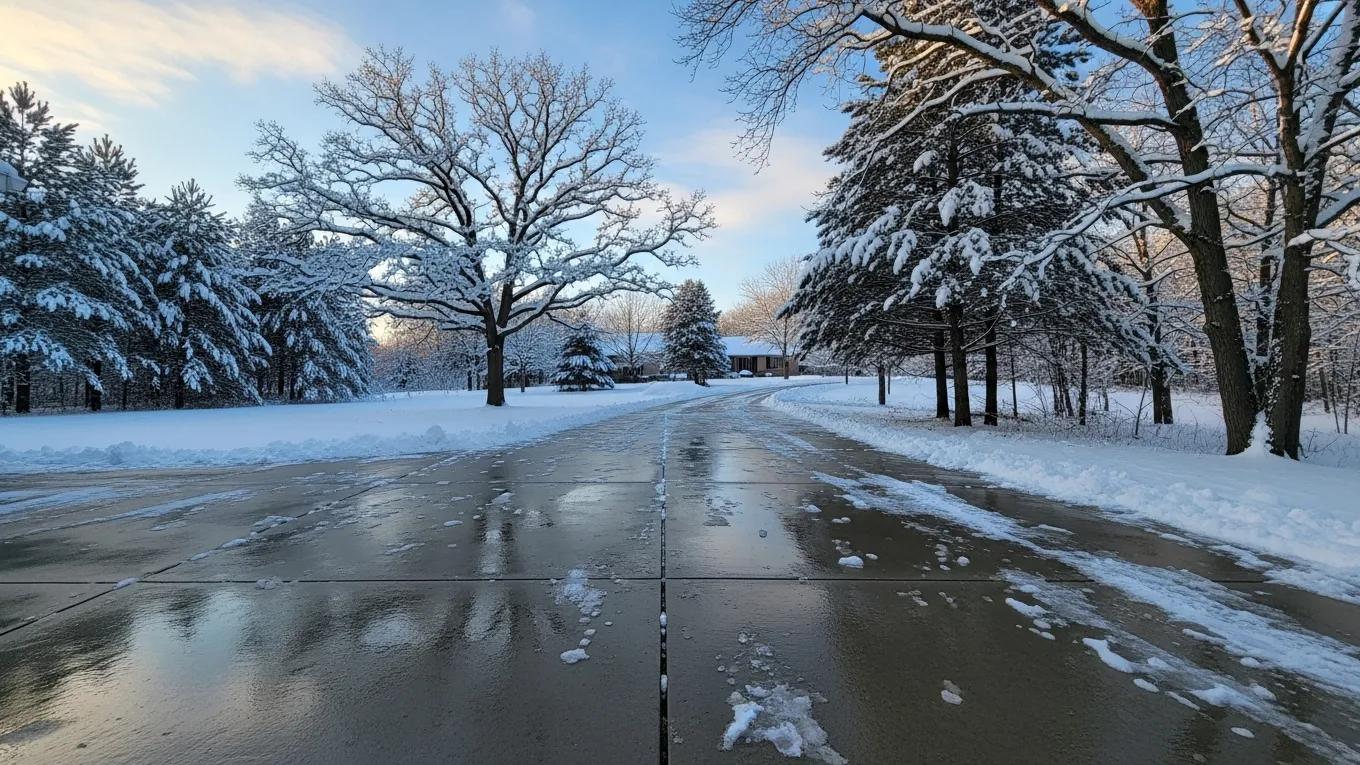
Wisconsin’s winters create repeated freeze-thaw cycles that stress pavement. Properly mixed and cured concrete resists freeze-thaw damage well; asphalt’s flexibility helps in fluctuating temperatures but can become brittle and crack over time if not maintained.
Maintenance Costs:
Concrete typically needs sealing every 2–3 years and spot repairs as needed. Asphalt often requires sealing every 1–3 years and more frequent patching; these recurring costs should be added to any upfront estimate when comparing value.
Expected Lifespan:
Concrete: ~25–30 years. Asphalt: ~15–20 years. Lifespan depends on installation quality, drainage, maintenance, and the severity of winter conditions.
How Does Wisconsin’s Climate Affect Driveway Durability?
Freezing temperatures, heavy snow, and freeze-thaw cycles increase cracking, spalling, and potholing risks. Good drainage, proper installation, and timely sealing reduce climate-related damage for both materials.
What Are the Freeze-Thaw Challenges for Driveways in Wisconsin?
Moisture entering surface defects expands when frozen and contracts on thaw, worsening cracks and disintegration. Regular sealing and prompt crack repair are key defenses; otherwise both concrete and asphalt will deteriorate faster.
How Do Concrete and Asphalt Respond to Cold Weather Conditions?
Concrete is rigid and strong but can crack if curing or jointing is poor. Asphalt is pliable in warm conditions but can harden and crack in prolonged cold. Proper material selection and maintenance reduce failures.
What Is the Comparative Lifespan of Concrete and Asphalt Driveways in Wisconsin?
Concrete generally outlasts asphalt by roughly a decade under similar conditions, making it the more durable long-term option where longevity matters.
What Are the Cost Differences Between Concrete and Asphalt Driveways in Milwaukee?
Local installation costs reflect the national ranges: concrete around $4–$10/ft² and asphalt $2–$5/ft². Homeowners should request itemized quotes that include base preparation, drainage work, and finishing to compare true costs.
How Do Installation Costs Compare for Concrete and Asphalt Driveways?
Concrete requires heavier base work, formwork, and curing time, contributing to higher installed cost. Asphalt installs faster and cheaper up front but may require resurfacing sooner.
What Are the Long-Term Maintenance Costs for Each Material?
Concrete: periodic sealing, occasional crack repair, and joint maintenance. Asphalt: more frequent sealcoating, patching, and eventual resurfacing. Over decades, concrete often has lower total maintenance expense despite higher initial cost.
What Are the Best Maintenance Practices for Driveways in Wisconsin Winters?
To protect driveways from Wisconsin winters, follow a few essential practices:
- Regular Sealing: Seal concrete every 2–3 years and asphalt every 1–3 years to reduce moisture infiltration.
- Snow Removal: Use a plastic shovel or snow blower to avoid gouging the surface.
- Crack Repair: Fill cracks promptly to prevent freeze-thaw expansion and further damage.
Consistent maintenance preserves surface integrity and slows deterioration.
How Should Concrete Driveways Be Maintained to Maximize Durability?
Recommended concrete care:
- Seal Regularly: Apply a quality sealant every 2–3 years.
- Clean Surfaces: Remove debris and stains to prevent surface wear.
- Repair Cracks Promptly: Address small cracks before they widen or undercut the slab.
These steps help extend service life and keep appearance high.
What Are Effective Asphalt Driveway Maintenance Tips for Cold Climates?
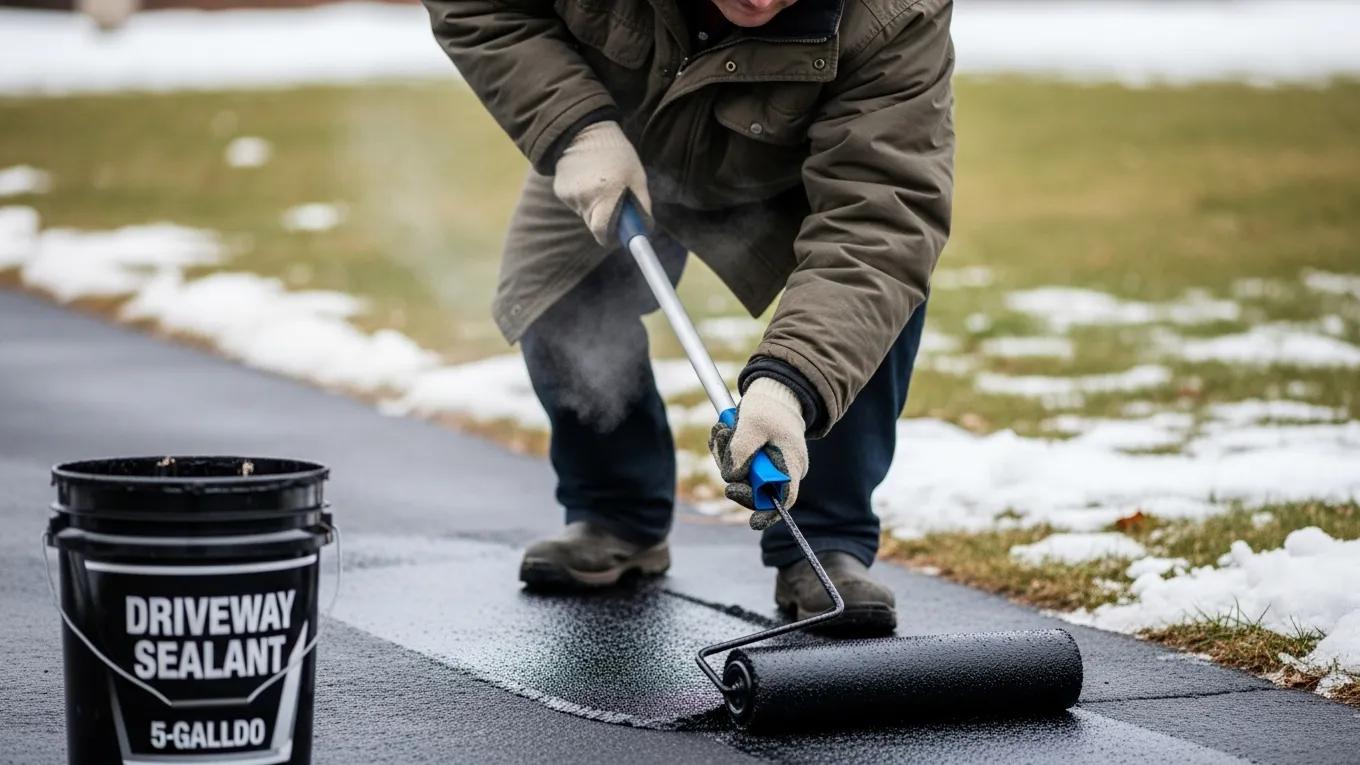
Asphalt maintenance priorities:
- Frequent Sealing: Seal every 1–3 years to protect against moisture and UV.
- Regular Inspections: Watch for cracks, potholes, and edge raveling and repair early.
- Proper Snow Removal: Use snow blowers or plastic shovels to avoid surface damage.
These practices help asphalt resist cold-weather degradation.
For more information on service areas and availability, homeowners can visit Morici Bros Concrete’s service areas to find local expertise tailored to Wisconsin’s climate.
Frequently Asked Questions
What are the environmental impacts of concrete and asphalt driveways?
Concrete production is energy-intensive and has a higher upfront carbon footprint, but its durability reduces replacements. Asphalt can be recycled but may emit VOCs during paving; its shorter lifespan can increase cumulative environmental impact through more frequent repairs.
How do the aesthetics of concrete and asphalt driveways compare?
Concrete offers more design options (colors, textures, patterns) for curb appeal. Asphalt has a uniform dark finish that suits some home styles and can be refreshed with sealers.
What are the best times of year for driveway installation in Wisconsin?
Late spring through early fall is best for pouring and paving. Ideal concrete pouring temperatures are roughly 50–90°F; asphalt is somewhat more tolerant of cooler temperatures but both should avoid freezing conditions during installation and curing.
Can I install a driveway myself, or should I hire a professional?
DIY is possible for small projects, but professionals ensure correct base preparation, drainage, compaction, and finishing—critical factors for longevity. Hiring a reputable contractor reduces the risk of early failure.
What are the common repair issues for concrete and asphalt driveways?
Concrete: cracking, spalling, and discoloration (often from freeze-thaw or subbase issues). Asphalt: cracking, potholes, and raveling from weather exposure and traffic. Prompt repairs and maintenance limit progression.
How does the choice of driveway material affect home resale value?
Concrete’s durability and visual options can boost curb appeal and resale value. Asphalt’s lower cost may be acceptable for budget-sensitive buyers, but its shorter lifespan and maintenance needs can be seen as drawbacks by prospective purchasers.