
Signs It’s Time to Replace Your Concrete Sidewalk
Warning Signs It’s Time to Replace Your Milwaukee Concrete Sidewalk
By Steve Morici, Morici Bros Concrete LLC | Milwaukee’s Top
Concrete sidewalks provide safe access around homes but deteriorate with age, weather, and use. This guide helps Milwaukee homeowners spot when replacement is warranted, summarizes safety and liability concerns, outlines replacement options, and explains how to get estimates from local concrete contractors.
Signs Indicating the Need for Replacement
Common, visible indicators that a sidewalk likely needs replacement include:
- Cracks of Various Types: From hairline to wide fissures—especially those that grow or let water penetrate.
- Uneven Surfaces: Noticeable heaving or settling between slabs that create an irregular walking surface.
- Trip Hazards: Raised edges, gaps, or deep depressions that could cause falls.
Addressing these signs early reduces safety risks and long-term costs.
Assessing Safety Risks
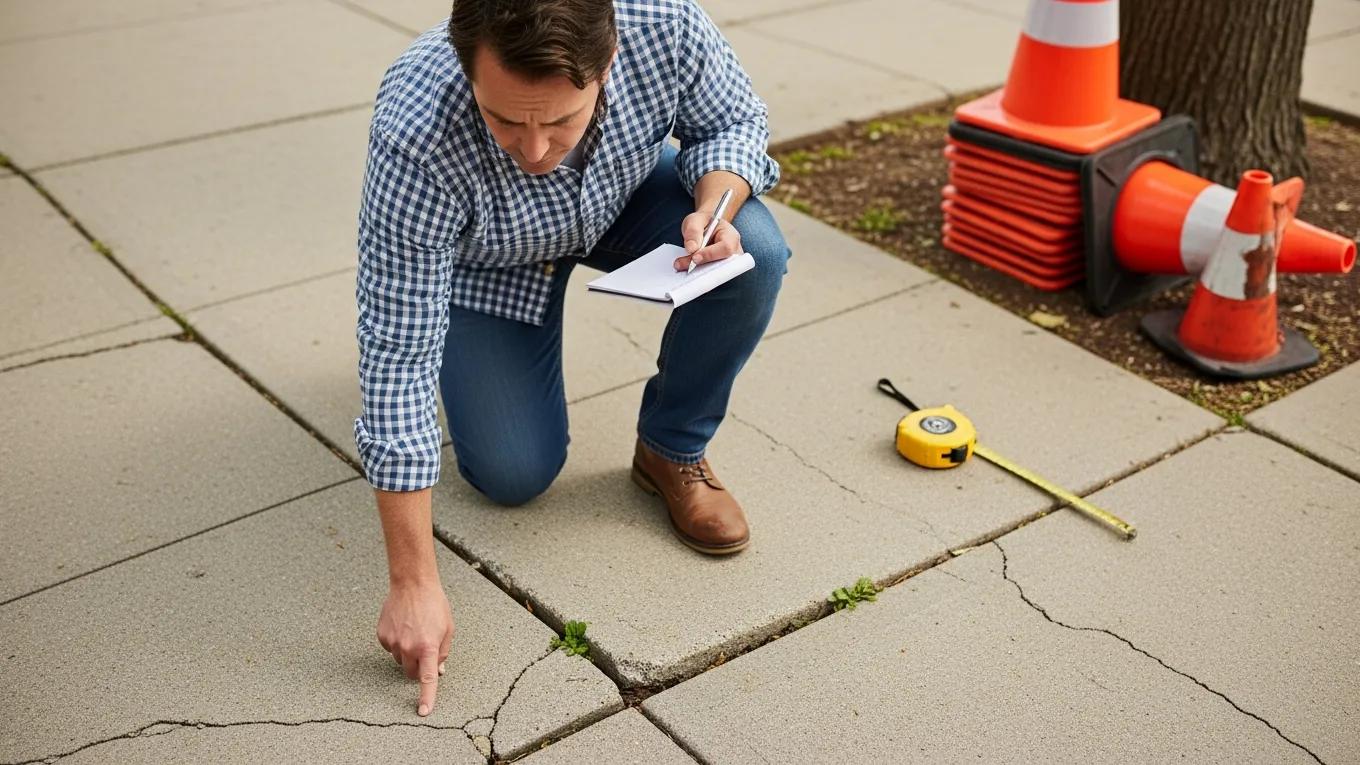
Perform periodic inspections and document issues so you can decide whether to repair or replace.
- Compliance with Local Codes: Confirm the sidewalk meets municipal standards to avoid fines.
- Liability Concerns: Property owners are generally responsible for injuries caused by unsafe walkways.
Replacement Options
Options depend on the damage extent and budget:
- Repair vs Replacement: Small cracks or uneven slabs can often be patched; widespread cracking or multiple trip hazards usually justify full replacement.
- Professional Assessment: A contractor can evaluate subgrade issues, drainage, and long-term performance.
- Material Choices: Traditional concrete is common; alternatives and mixes can improve durability or appearance.
Morici Bros Concrete LLC provides residential and light commercial concrete services and can advise on the best approach.
Why Is Addressing Sidewalk Safety Hazards Crucial?
Keeping sidewalks safe protects people and your property:
- Potential Risks: Deterioration increases the chance of trips and injuries.
- Legal Implications: Neglect can lead to liability claims and lawsuits.
- Property Value: A sound, attractive sidewalk improves curb appeal and resale value.
How Do Trip Hazards Impact Liability and Property Safety?
Trip hazards raise both safety and legal concerns. Homeowners should:
- Understand Responsibility: Maintain walkways and act on reported hazards.
- Act Promptly: Timely repairs reduce risk and potential claims.
What Are the Local Milwaukee Regulations on Sidewalk Conditions?
Milwaukee homeowners should know and follow local codes and accessibility standards:
- Local Building Codes: Learn the city’s specific requirements for sidewalks and repairs.
- ADA Standards: Ensure walkways are accessible where required.
- Enforcement: Authorities may require repairs or levy fines for non-compliance.
When Should You Choose Sidewalk Replacement Over Repair?
Choose replacement when damage is extensive, recurring, or caused by underlying subgrade or root issues. Replacement is often more cost-effective long term when repairs would be frequent or only cosmetic.
What Factors Determine the Cost of Sidewalk Replacement?
Key cost drivers include:
- Material Costs: Concrete mix, reinforcement, and finishing options affect price.
- Labor Costs: Experienced crews and local labor rates influence the bid.
- Project Size: Longer runs, wider sidewalks, or complex grading add cost.
How Does Repair Compare to Replacement in Durability and Value?
Repairs can extend life short-term and are less expensive initially. Full replacement provides longer durability and may reduce future maintenance, improving overall value.
How Does the Sidewalk Replacement Process Work in Milwaukee?
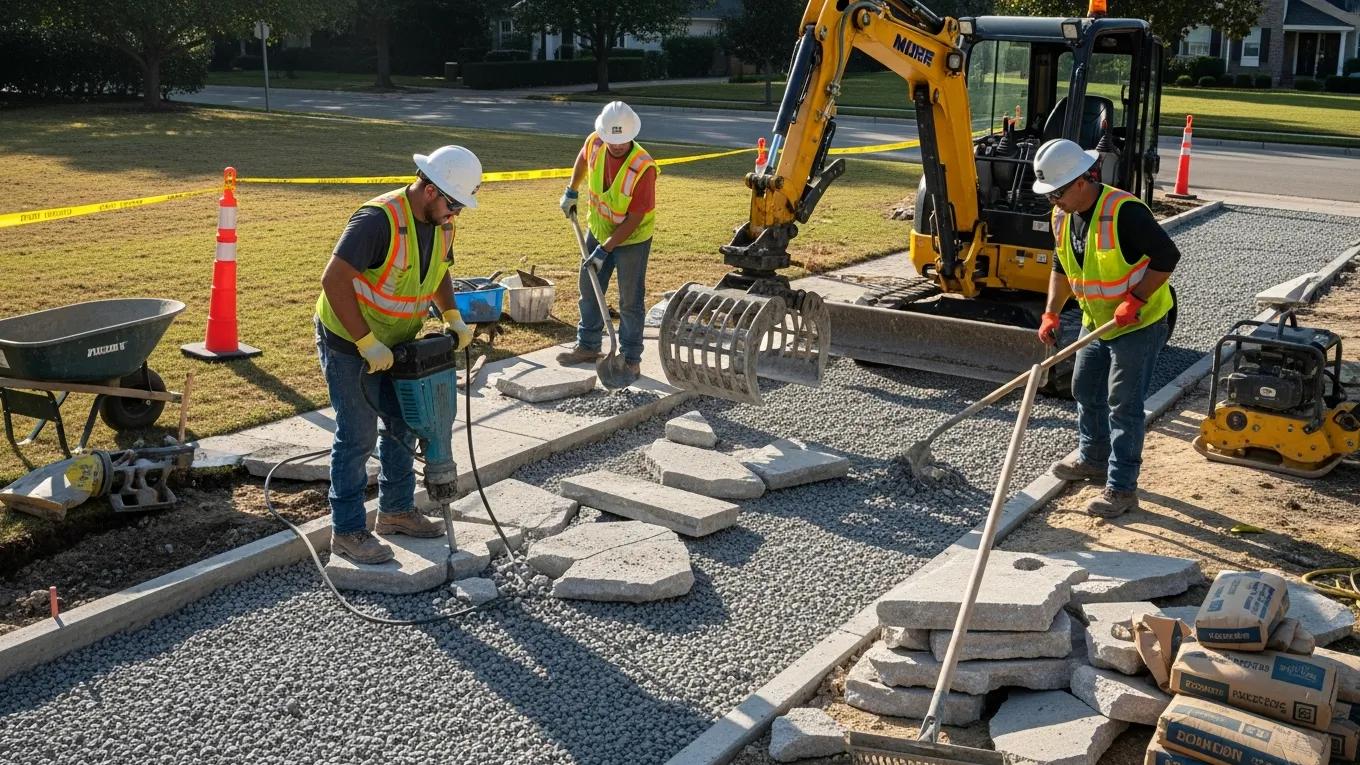
Typical steps:
- Assessment: Contractor inspects condition, subgrade, and drainage.
- Permits: Obtain any required city permits before work begins.
- Removal and Installation: Old concrete is removed, subgrade addressed, new concrete poured and finished; most residential sections can be completed in a few days depending on weather.
How Can You Request a Free Estimate from Local Concrete Contractors?
To get accurate estimates:
- Contact Multiple Contractors: Compare bids, timelines, and warranties.
- Provide Clear Details: Share measurements, photos, and any site constraints.
- Check Reputation: Look for local reviews and ask for references.
For expert assistance, Morici Bros Concrete LLC offers free estimates and guidance. You can reach them at (414) 858-9100.
Frequently Asked Questions
What are the common causes of sidewalk damage?
Damage commonly comes from freeze-thaw cycles, tree roots, soil movement, poor drainage, and heavy loads. Regular checks help catch problems early.
How can I maintain my concrete sidewalk to extend its lifespan?
Keep the surface clean, seal exposed concrete periodically, repair small cracks promptly, and manage nearby trees and drainage to limit root and water damage.
Are there eco-friendly options for sidewalk replacement?
Yes. Recycled concrete aggregate, permeable paving, and certain low-impact mixes reduce waste and runoff. Discuss sustainable choices with your contractor.
What should I do if my sidewalk is damaged during winter?
Clear snow and ice safely, document damage with photos, and avoid harsh chemicals that harm concrete. Contact a contractor to assess whether repair or replacement is needed once conditions allow.
How can I ensure my new sidewalk complies with local regulations?
Review Milwaukee’s codes and ADA requirements, secure any necessary permits, and hire a licensed contractor familiar with local rules.
What are the benefits of hiring a professional contractor for sidewalk replacement?
Professionals deliver accurate assessments, proper site preparation, code-compliant work, and durable results—reducing the chance of future problems and saving time.