
Signs It’s Time to Replace Your Concrete Sidewalk in Wisconsin
Signs It’s Time to Replace Your Concrete Sidewalk in Wisconsin: Expert Guidance on Repair and Replacement Costs
By Steve Morici, Morici Bros Concrete LLC | Milwaukee’s Top
Concrete sidewalks provide function and curb appeal, but Wisconsin weather, ground movement, and installation issues can shorten their lifespan. This guide helps homeowners spot when replacement is more appropriate than repair, outlines common repair options, and summarizes typical costs so you can prioritize safety and budget effectively.
Signs that indicate it’s time to replace your concrete sidewalk in Wisconsin include:
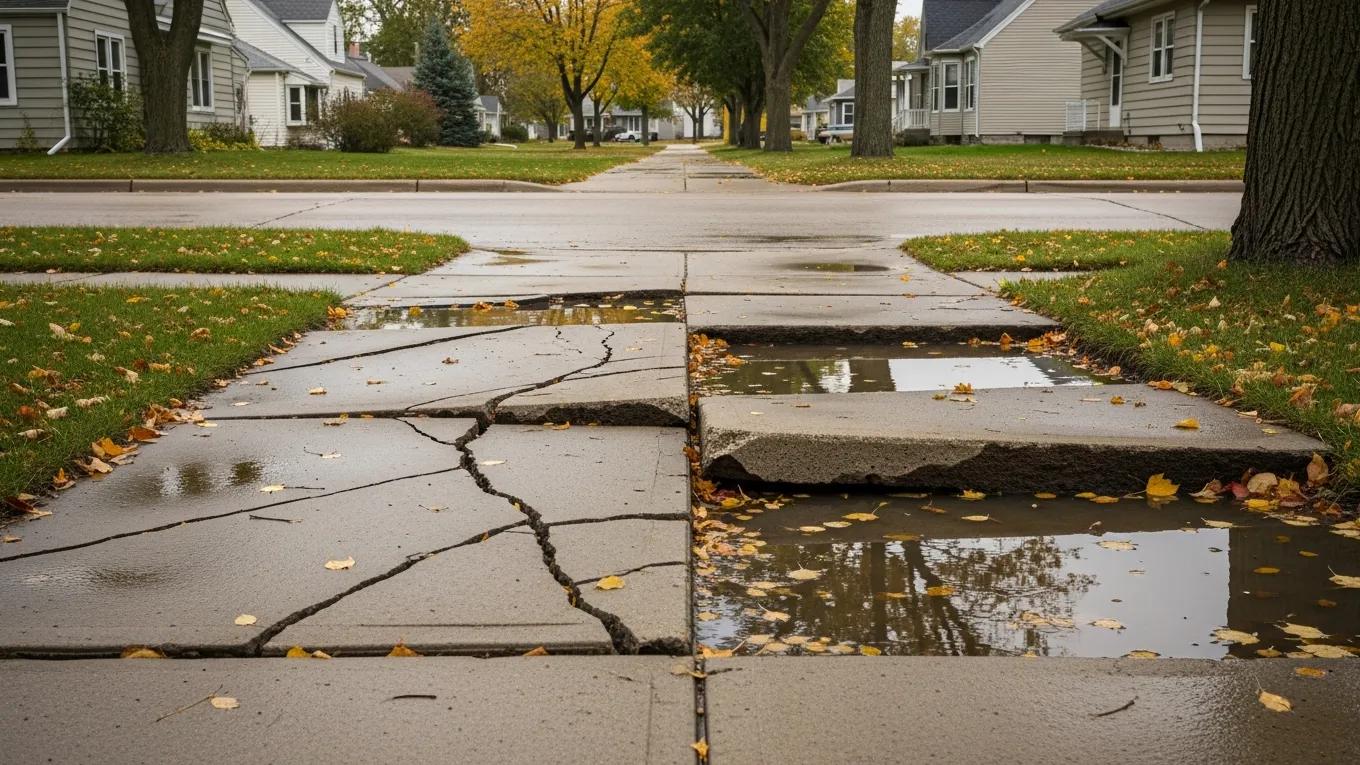
Look for clear, persistent problems that affect safety or structural performance. Key indicators include:
- Visible Cracks: Large, widening, or interconnected cracks that undermine the slab.
- Uneven Surfaces: Settling or heaving creating trip hazards for pedestrians.
- Pooling Water: Persistent standing water that indicates drainage or grade issues.
- Severe Damage: Missing chunks, deep scaling, or widespread deterioration.
When multiple issues appear together, replacement is often the safer, longer-lasting choice.
Expert Guidance on Repair Options:
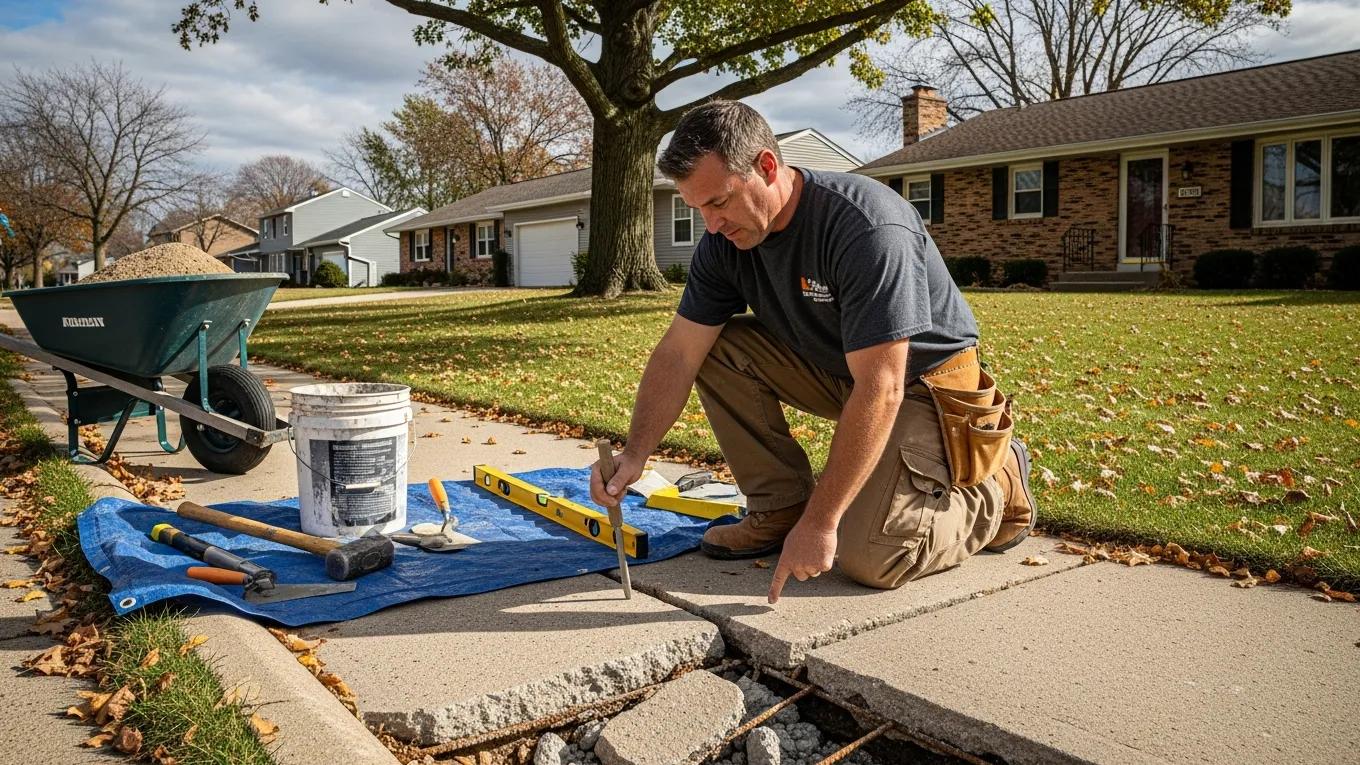
Choose repairs based on extent and cause of damage. Typical approaches are:
- Minor Issues: Crack filling, sealing, or light resurfacing for cosmetic or shallow defects.
- Localized Damage: Replace discrete sections when the rest of the sidewalk is sound.
- Full Replacement: Remove and reinstall when slabs are extensively damaged or subgrade problems persist.
A contractor can assess subgrade and drainage to recommend the most durable solution.
Replacement Costs:
Costs vary with scope, materials, and local labor. Typical ranges:
Get local quotes to reflect your site conditions and contractor rates.
Factors Influencing the Decision to Replace:
Decide based on safety, longevity, and your plans for the property. Important considerations include:
- Extent of Damage: Extensive or recurring issues favor replacement.
- Long-term Goals: Replacement may be a better investment if you plan to stay long-term.
- Safety Concerns: Prioritize actions that eliminate trip hazards and liability risks.
Balance immediate costs against longer-term maintenance and safety outcomes.
What Are the Common Signs of Concrete Sidewalk Damage in Wisconsin?
Typical signs to monitor:
- Cracks: From hairline to wide fissures that indicate structural concern.
- Uneven Surfaces: Slab displacement from freeze-thaw or root movement.
- Water Pooling: Sign of poor slope or subgrade settling.
- Discoloration: Staining can point to moisture or material issues.
Early detection can limit repair scope and cost.
When Should Wisconsin Homeowners Consider Concrete Sidewalk Replacement?
Consider replacement when damage affects safety or when repairs would be frequent or only temporary. Use replacement when:
- Multiple or worsening deterioration signs are present.
- There is a clear fall or injury risk.
- Repair costs approach replacement, or you want a longer-term fix.
A simple cost comparison and a professional inspection can clarify the best path.
How Does Cracking Indicate the Need for Sidewalk Replacement?
Not all cracks require replacement, but patterns matter:
- Hairline Cracks: Monitor and seal as needed.
- Wide Cracks: Suggest structural issues and possible replacement.
- Cracks with Heaving: Often signal subgrade movement and usually need full replacement.
Assess crack width, pattern, and movement before deciding.
What Other Damage Types Signal Sidewalk Deterioration?
Beyond cracking, watch for:
- Severe Scaling: Surface breakdown that reduces durability.
- Trip Hazards: Any uneven condition that endangers users.
- Drainage Issues: Persistent moisture problems that accelerate decline.
Treat underlying causes, not just surface symptoms, to prevent recurrence.
When Is Repair Preferable to Full Replacement?
Repair can be sensible when issues are limited and cost-effective:
- Minor Damage: Small cracks or isolated defects often suit repairs.
- Cost Considerations: Repairs are better if replacement is not justified economically.
- Short-term Goals: If selling soon, targeted fixes may restore curb appeal efficiently.
Consult a professional to confirm whether repairs will be durable for your conditions. For local help, check local service availability. When ready, contact a concrete professional for an on-site assessment and quote.
Frequently Asked Questions
What are the benefits of replacing a damaged sidewalk?
Replacement removes trip hazards, restores curb appeal, improves drainage, and reduces recurring repair needs, offering a longer-term, lower-maintenance solution.
How long does a concrete sidewalk typically last?
With proper installation and maintenance, sidewalks commonly last two to three decades; freeze-thaw cycles and drainage issues can shorten that lifespan.
Can I install a new sidewalk myself, or should I hire a professional?
DIY is possible for experienced homeowners, but professionals ensure proper subgrade, drainage, permits, and workmanship for durability and code compliance.
What materials are commonly used for sidewalk replacement?
Concrete is most common for durability and low maintenance. Alternatives include asphalt, pavers, or stamped concrete, chosen for cost, appearance, or installation speed.
How can I maintain my new sidewalk to prolong its lifespan?
Keep the surface clean, avoid de-icing salts, seal periodically, clear snow promptly, and repair small cracks early to limit deterioration.
What should I do if I notice signs of damage after installation?
Document the issue, contact the installer about warranties, and seek a contractor assessment. Prompt action can prevent larger problems and protect any warranty.