
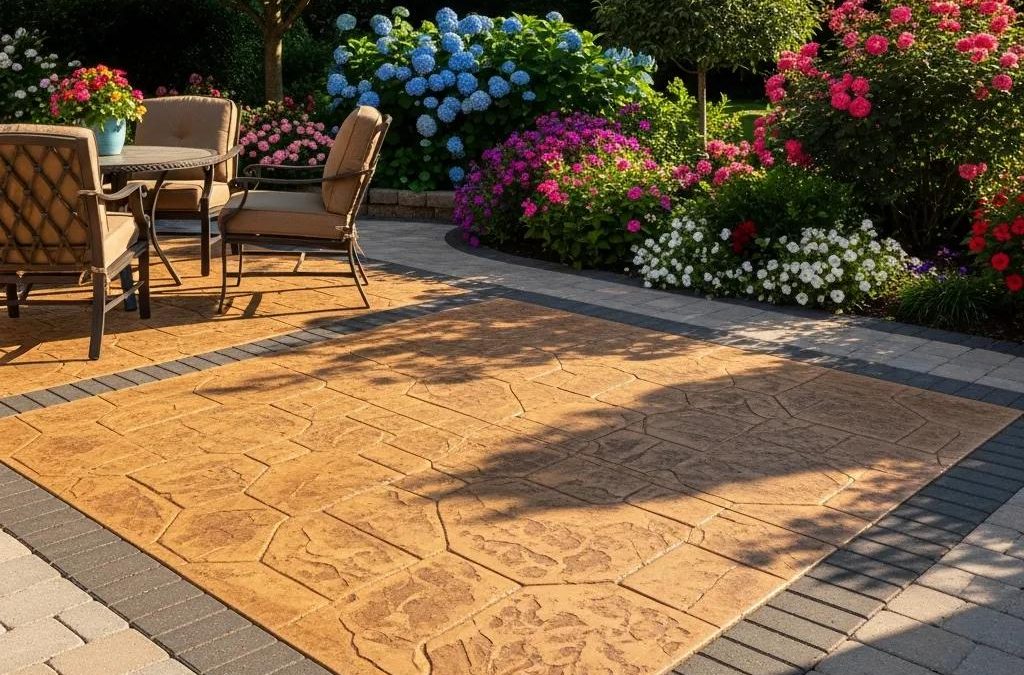
Stamped Concrete vs. Pavers: Which is Better?
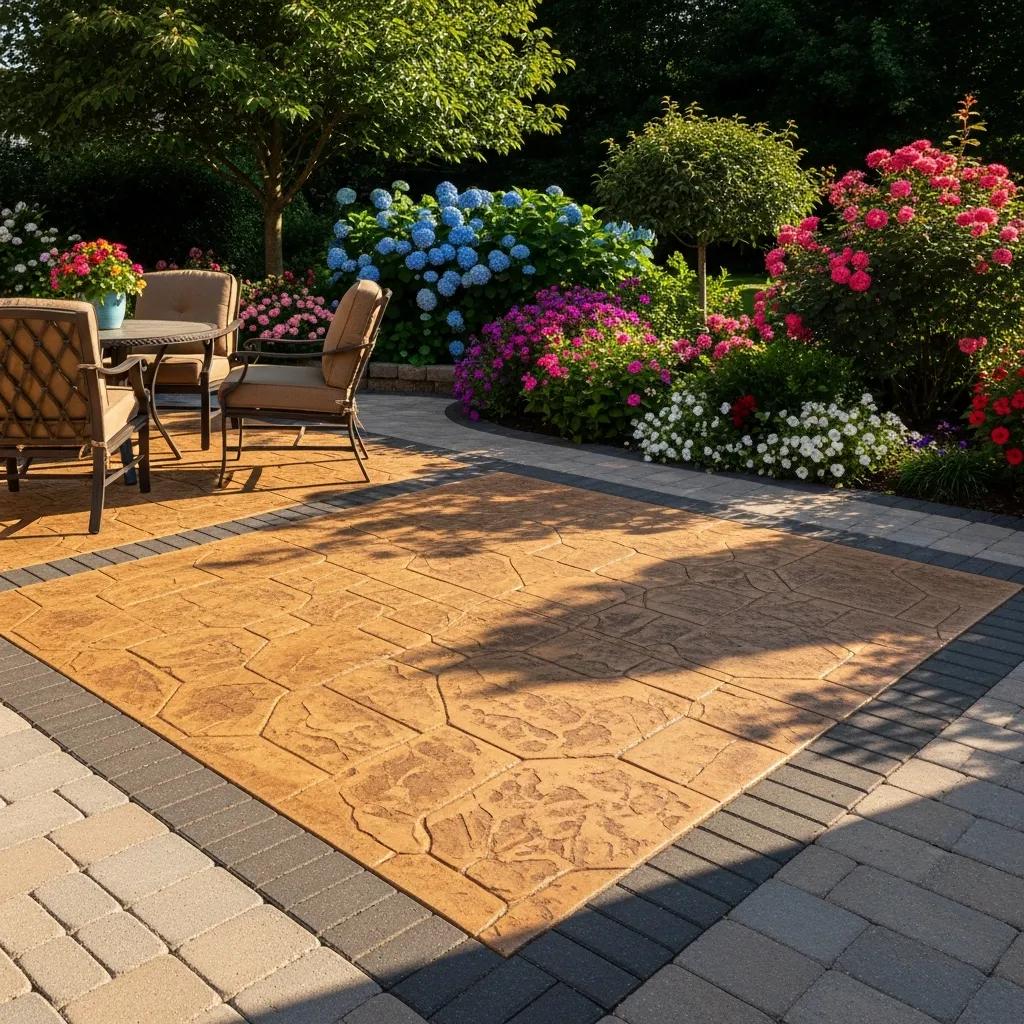
Stamped Concrete vs. Pavers: Comprehensive Patio Material Comparison for Homeowners and Contractors
What Are the Key Differences Between Stamped Concrete and Pavers?
How Do Material Types Affect Patio Performance?
What Installation Methods Distinguish Stamped Concrete from Pavers?
How Do Costs Compare Between Stamped Concrete and Concrete Pavers?
What Is the Average Concrete Paver Cost for Patio Projects?
What Are the Cost Benefits of Choosing Stamped Concrete?
Life Cycle Costing for Concrete & Masonry Block Patios
This study mainly focuses on cost-effectiveness of alternative concretes using life cycle costing (LCC) considering initial costs, maintenance costs, energy usage costs, and residual costs of both controls and alternative concretes. An eight-storeyed residential building model is developed using STAAD Pro to determine the best combination of alternative concrete and masonry block.
Life cycle costing for the analysis of cost-effectiveness of alternative concretes and masonry blocks, 2018
What Are the Durability and Maintenance Requirements of Stamped Concrete vs. Pavers?
How Long Does Stamped Concrete Typically Last?
Concrete Cracking: Causes, Consequences, and Repair
Cracking is the most common problem in a concrete structure in real-life service conditions. Concrete can undergo cracking depending on the mix composition, exposure environment, hydration rate, and curing conditions. Understanding the causes and consequences of cracking thoroughly is very essential for selecting proper measures to resolve the cracking problem in concrete.
Control of cracking in concrete structures, 2001
What Maintenance Does Each Patio Material Require?
Which Design and Aesthetic Options Are Available for Stamped Concrete and Pavers?
What Decorative Patterns and Colors Can Be Achieved with Stamped Concrete?
How Do Paver Styles and Layouts Enhance Patio Appeal?
What Is the Installation Process for Stamped Concrete and Pavers?
What Are the Step-by-Step Procedures for Installing Stamped Concrete?
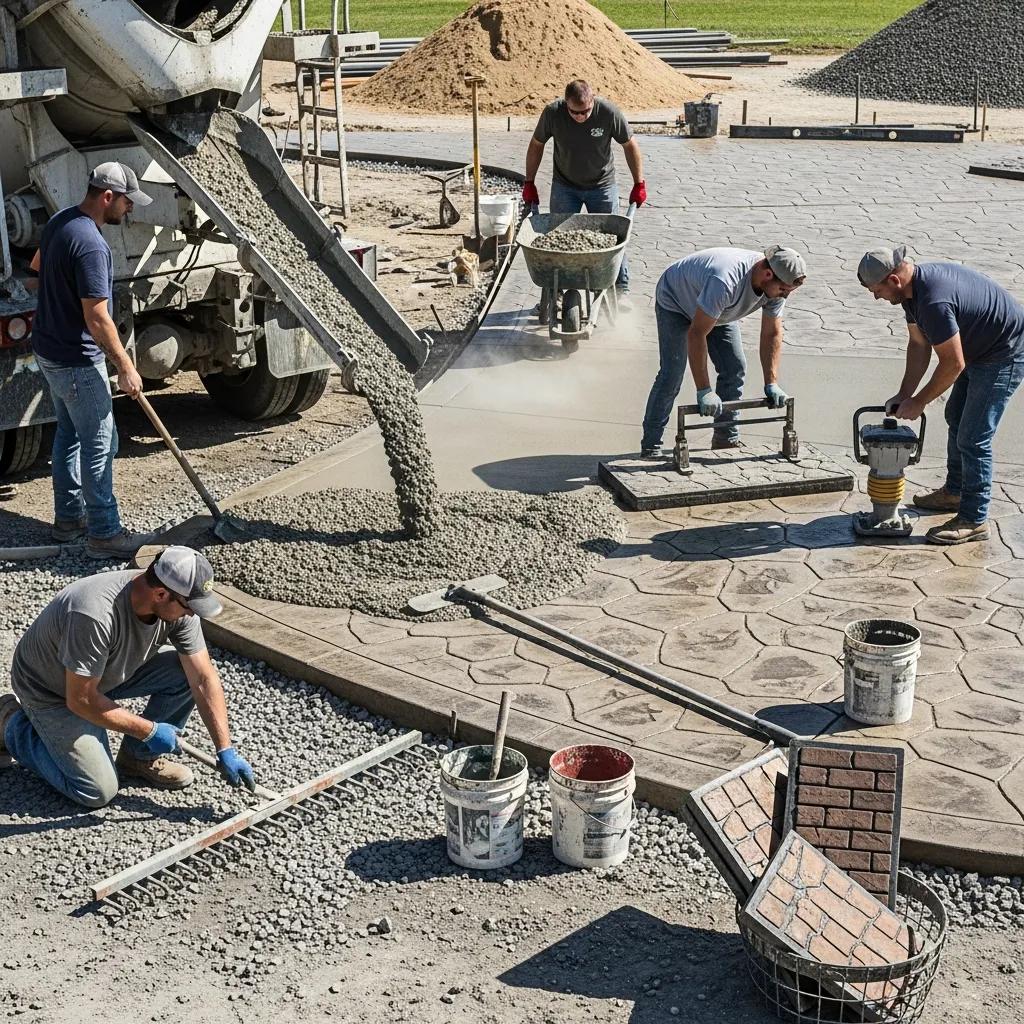
- Site Preparation: Excavate the area and ensure proper grading for drainage.
- Formwork: Set up forms to contain the concrete.
- Pouring Concrete: Pour the concrete mix and level it.
- Stamping: Once the concrete begins to set, apply stamps to create the desired pattern.
- Sealing: After curing, apply a sealant to protect the surface.
How Is Paver Installation Performed and What Are Key Considerations?
- Site Preparation: Excavate and level the area, ensuring proper drainage.
- Base Layer: Lay a base of gravel or crushed stone topped with a layer of sand to provide stability.
- Laying Pavers: Place pavers in the desired pattern, ensuring they are level and aligned.
- Joint Filling: Fill the joints with sand to lock the pavers in place.
- Sealing: Optionally, apply a sealant to enhance color and protect the surface.
How Do Environmental Factors Influence the Choice Between Stamped Concrete and Pavers?
What Are the Environmental Benefits of Permeable Pavers?
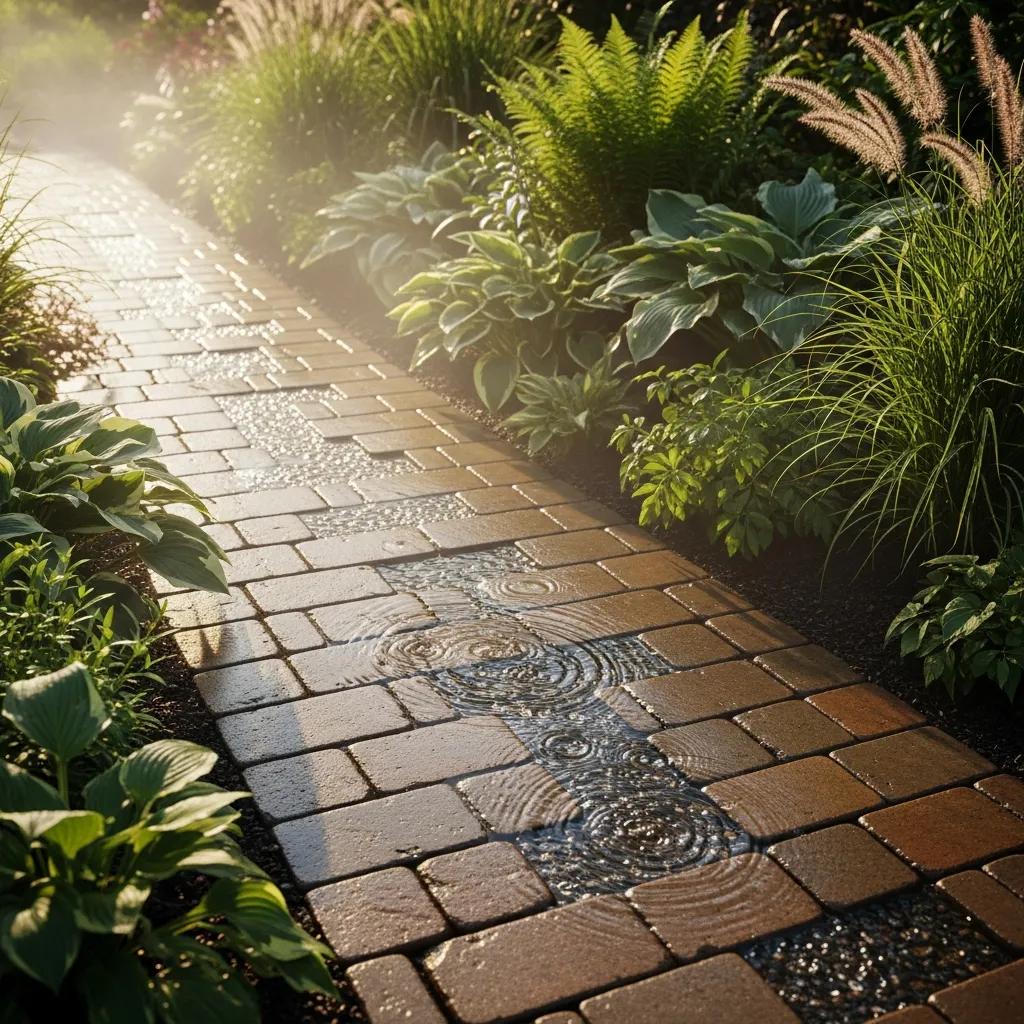
How Does Stamped Concrete Impact Patio Drainage and Sustainability?
| Material Type | Cost per Square Foot | Lifespan | Maintenance Frequency |
|---|---|---|---|
| Stamped Concrete | $8 - $18 | 25-30 years | Every 2-3 years (sealing) |
| Concrete Pavers | $10 - $25 | 25-50 years | Annual cleaning, occasional resealing |