

Transform Your Outdoors with an Exposed Aggregate Driveway
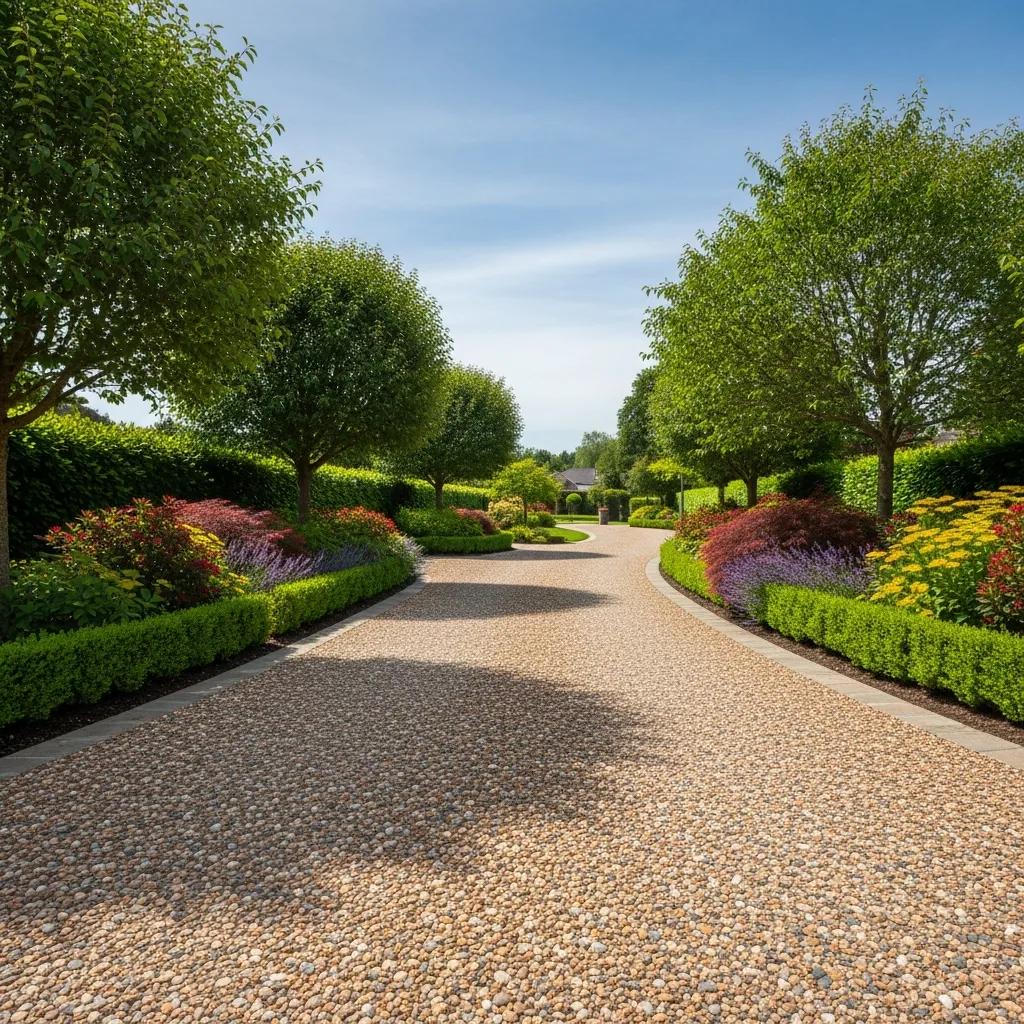
Complete Guide to Aggregate Driveway Repair and Maintenance: Fixing Cracks, Sealing, and Resurfacing
How Do You Identify and Repair Cracks in Aggregate Driveways?
What Are the Common Types of Cracks in Aggregate Concrete?
- Shrinkage Cracks: These occur as the concrete dries and shrinks, often appearing as thin lines.
- Settlement Cracks: Resulting from ground movement or settling, these cracks can be wider and more pronounced.
- Surface Cracks: These are typically caused by wear and tear or freeze-thaw cycles, affecting the top layer of the driveway.
Mitigating Shrinkage Cracks in Aggregate Driveways
However, shrinkage cracking associated with the hydration and curing of the cement-treated layers remains a concern, especially with regard to crack reflection through asphalt concrete surfacings and the related problems caused by water ingress. Considerable research has been undertaken on crack mitigation, and a range of measures related to improved mix designs and construction practices have been implemented by road agencies.
Pavement Recycling: Shrinkage Crack Mitigation in Cement-Treated Pavement Layers–Phase 1
Laboratory Testing, D Jones, 2016
What Is the Step-by-Step Process for Driveway Crack Repair?
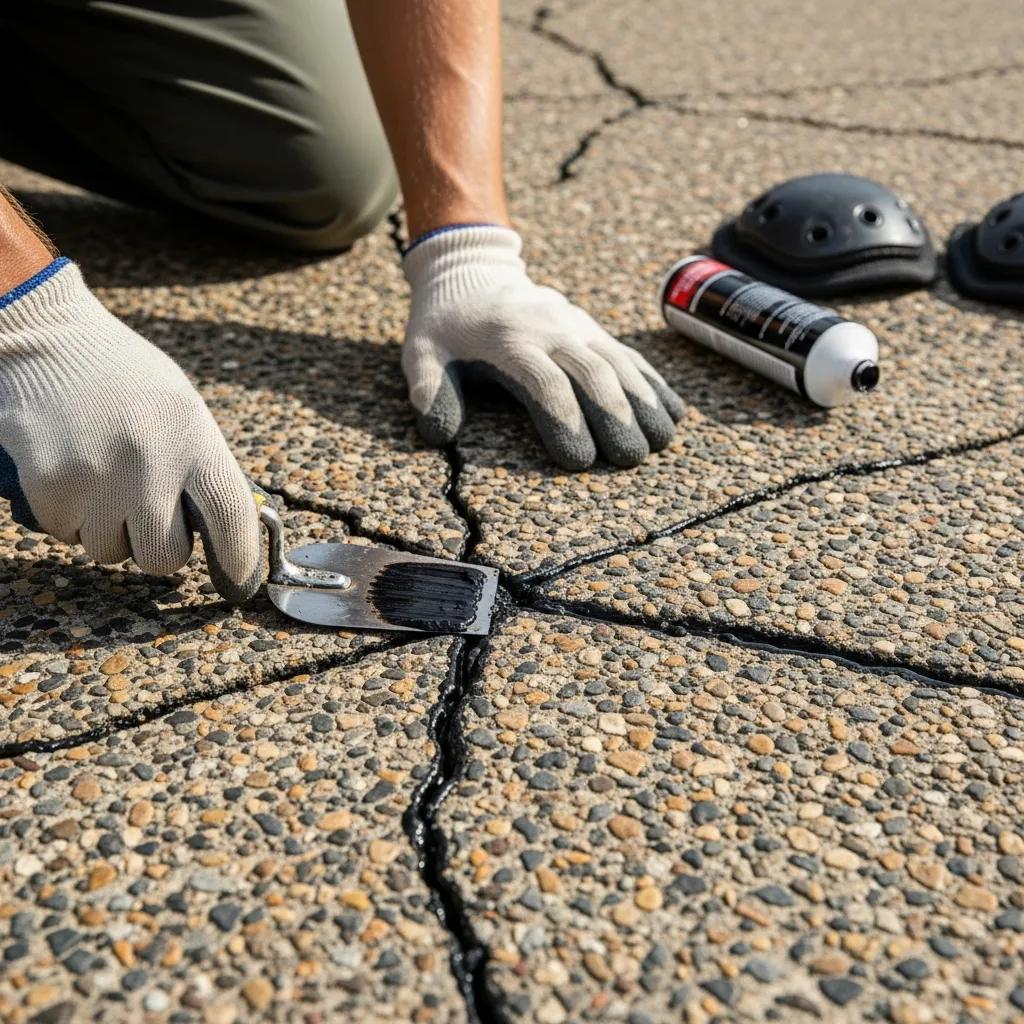
- Preparation of the Area: Clean the crack thoroughly, removing any debris or loose material.
- Application of Crack Filler: Use a suitable crack filler designed for concrete to fill the crack, ensuring it penetrates deeply.
- Finishing Touches: Smooth the surface with a trowel and allow it to cure as per the manufacturer's instructions.
Which Sealers Are Best for Protecting Exposed Aggregate Surfaces?
How to Choose the Right Sealer for Aggregate Driveways?
- Durability: Look for sealers that offer long-lasting protection against wear and tear.
- Cost: Evaluate the price of sealers in relation to their performance and longevity.
- Environmental Impact: Opt for eco-friendly sealers that are safe for pets and plants.
What Are the Benefits of Using Eco-Friendly Sealers?
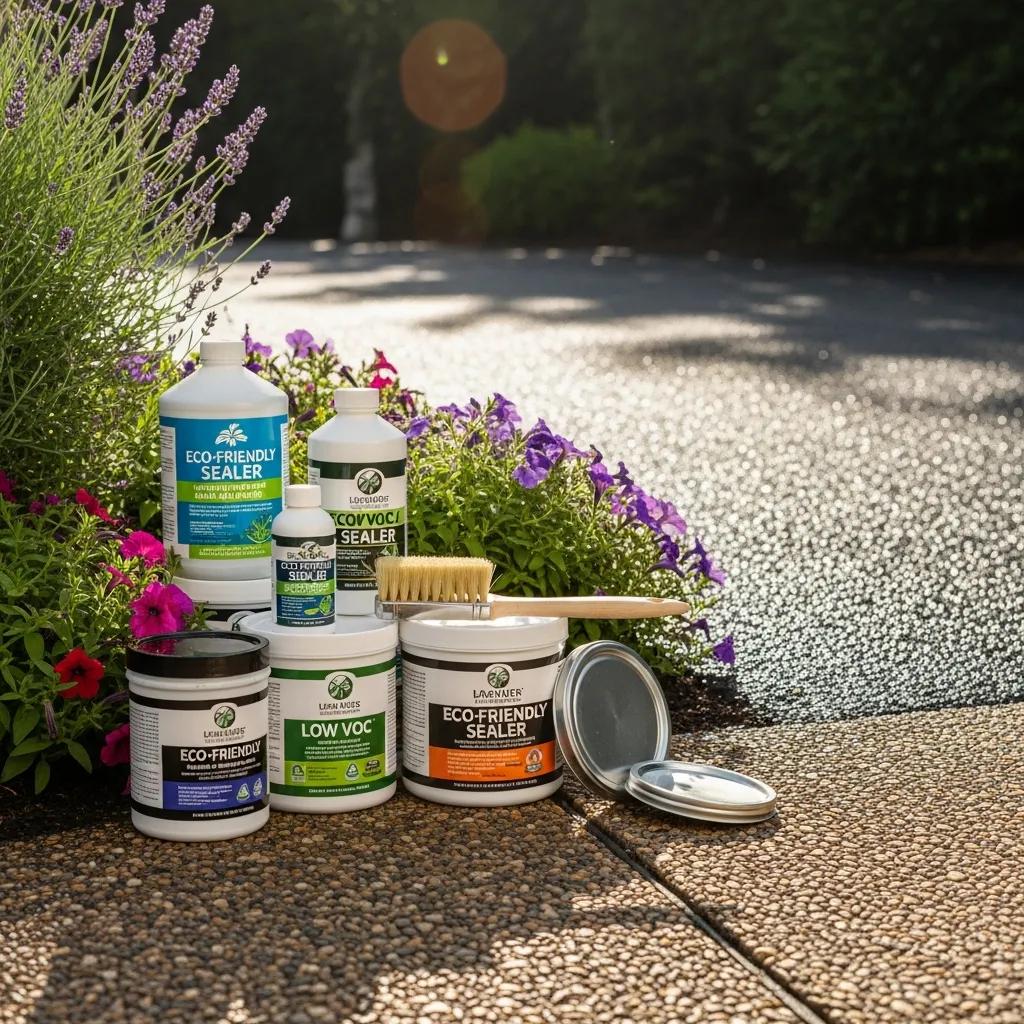
- Reduced Environmental Impact: These sealers are formulated with fewer harmful chemicals, making them safer for the environment.
- Safety for Pets and Plants: They are less likely to cause harm to pets or landscaping.
- Long-Term Effectiveness: Many eco-friendly options offer comparable durability to traditional sealers, ensuring lasting protection.
What Are Effective Techniques for Aggregate Driveway Resurfacing?
How Does Resurfacing Extend the Life of Aggregate Concrete?
- Increase Durability: A new surface layer can protect against further cracking and wear.
- Improve Appearance: Resurfacing can refresh the look of an aging driveway, making it more visually appealing.
- Cost Savings Over Time: By addressing surface issues early, homeowners can avoid more extensive repairs in the future.
What Materials and Tools Are Needed for Resurfacing?
- Resurfacing Material: Choose a high-quality concrete mix designed for resurfacing or a specialized exposed aggregate resurfacer.
- Tools: Essential tools include a trowel, squeegee, and a concrete mixer or mixing drill.
- Safety Equipment: Always wear gloves, eye protection, and a mask to protect against dust and chemicals.
How Much Does Aggregate Driveway Repair and Maintenance Cost?
What Are Typical Prices for Crack Repair and Sealing Services?
- Crack Repair: $150 - $500 depending on the size and number of cracks.
- Sealing Services: $0.75 - $2.00 per square foot, depending on the type of sealer used and the condition of the driveway.
How to Compare Repair Products and Materials by Cost and Durability?
| Product Type | Cost Range | Durability Rating |
|---|---|---|
| Crack Filler | $10 - $40 | Moderate (2-5 years) |
| Sealers | $50 - $200 | High (3-5 years) |
| Resurfacing Material | $150 - $400 | High (5-10 years) |
What Are Essential Maintenance Tips to Keep Aggregate Driveways Durable?
How Often Should You Seal and Inspect Your Aggregate Driveway?
What Cleaning Methods Preserve the Exposed Aggregate Finish?
- Pressure Washing: Use a pressure washer with a fan tip at moderate pressure to remove dirt and debris without damaging the surface.
- Mild Detergents: Apply mild, pH-neutral detergents to eliminate stains without harming the aggregate.
- Avoid Harsh Chemicals: Steer clear of acidic, alkaline, or abrasive cleaners that can damage the surface.