
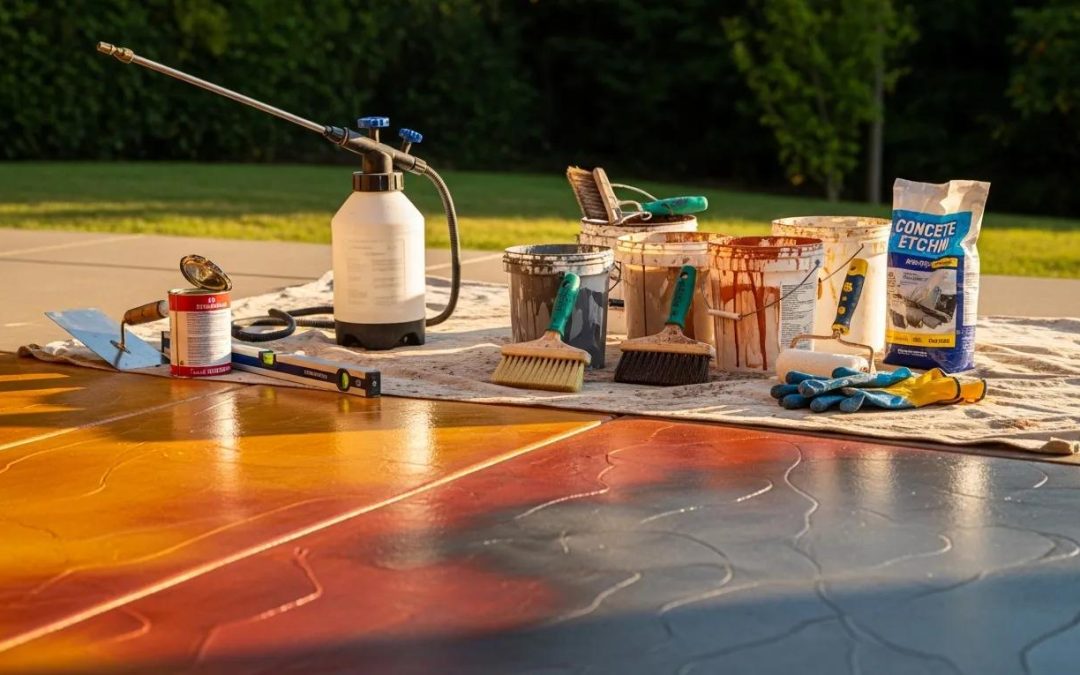
How Temperature & Humidity Affect Concrete Staining Success
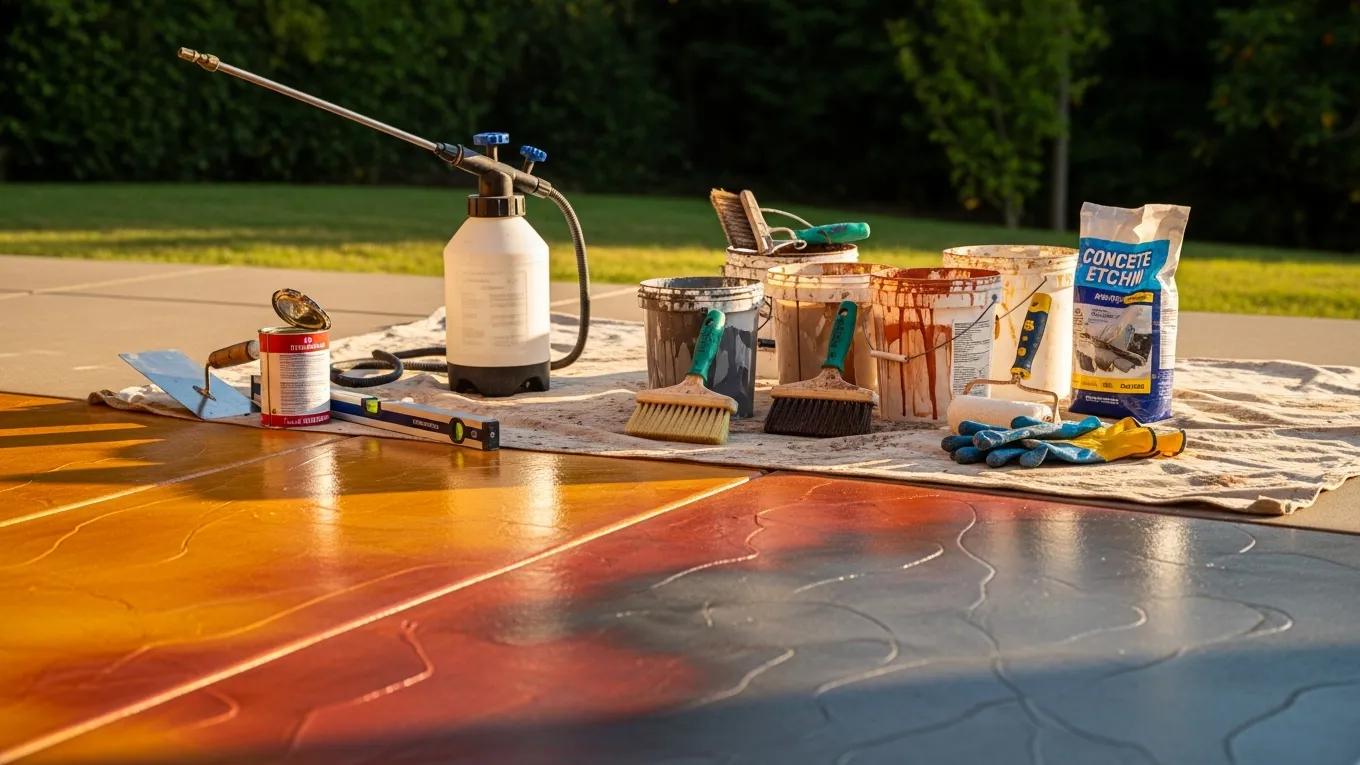
How Temperature and Humidity Affect Concrete Staining Results: Expert Insights for Optimal Outcomes
Concrete staining enhances surfaces but depends heavily on environmental conditions, especially temperature and humidity. Knowing the right ranges and how these factors influence curing, absorption, and drying helps avoid common problems. This article explains ideal temperature and humidity windows, favorable weather, and practical troubleshooting to improve finish consistency and durability.
What Is the Ideal Temperature Range for Concrete Staining?
The typical workable temperature window for staining is roughly between 50°F and 90°F. In that range concrete cures and absorbs stain predictably. Cooler temperatures slow curing and reduce absorption, while excessive heat can force rapid surface drying and leave blotchy or shallow color.
How Does Temperature Influence Concrete Curing and Stain Absorption?
Temperature controls the rate of the curing reactions and moisture movement in the slab. Balanced temperatures let the stain penetrate as intended; cold delays chemical activity and can produce pale or uneven areas; heat speeds surface evaporation so the stain may set before penetrating, yielding inconsistent color.
What Are the Recommended Temperature Guidelines for Milwaukee’s Climate?
Milwaukee has wide seasonal swings, so schedule staining when local forecasts show stable, moderate daytime temperatures. In cool periods use temporary heaters or postpone work until days stay within the recommended range. For professional guidance in Milwaukee, contact Morici Bros Concrete LLC.
How Does Humidity Impact Concrete Stain Drying and Finish Quality?
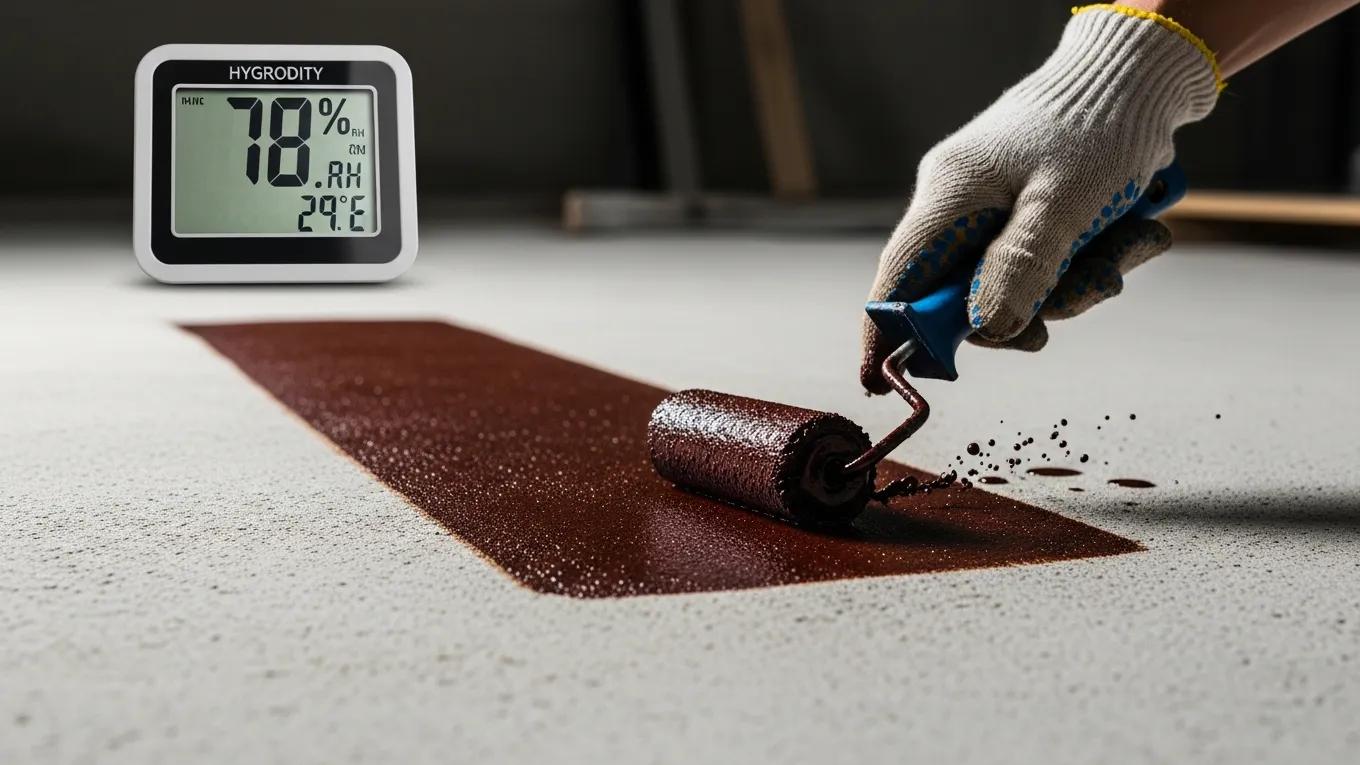
Humidity affects evaporation and the time available for stain penetration. High humidity slows drying and can leave tacky areas that attract debris; low humidity speeds drying and may prevent proper penetration, creating a brittle or uneven finish.
What Is the Optimal Humidity Level for Concrete Staining?
Aim for moderate humidity, generally between 40% and 70%. This range supports controlled drying and better adhesion. If humidity is higher, monitor drying closely and adjust timing or ventilation.
How Can High or Low Humidity Affect Stain Durability and Appearance?
High humidity can prolong tackiness and trap contaminants; low humidity can cause rapid surface cure and poorer penetration, increasing the risk of chipping or premature fading. Plan application technique and curing time with humidity in mind.
What Are the Best Weather Conditions for Concrete Staining Projects?
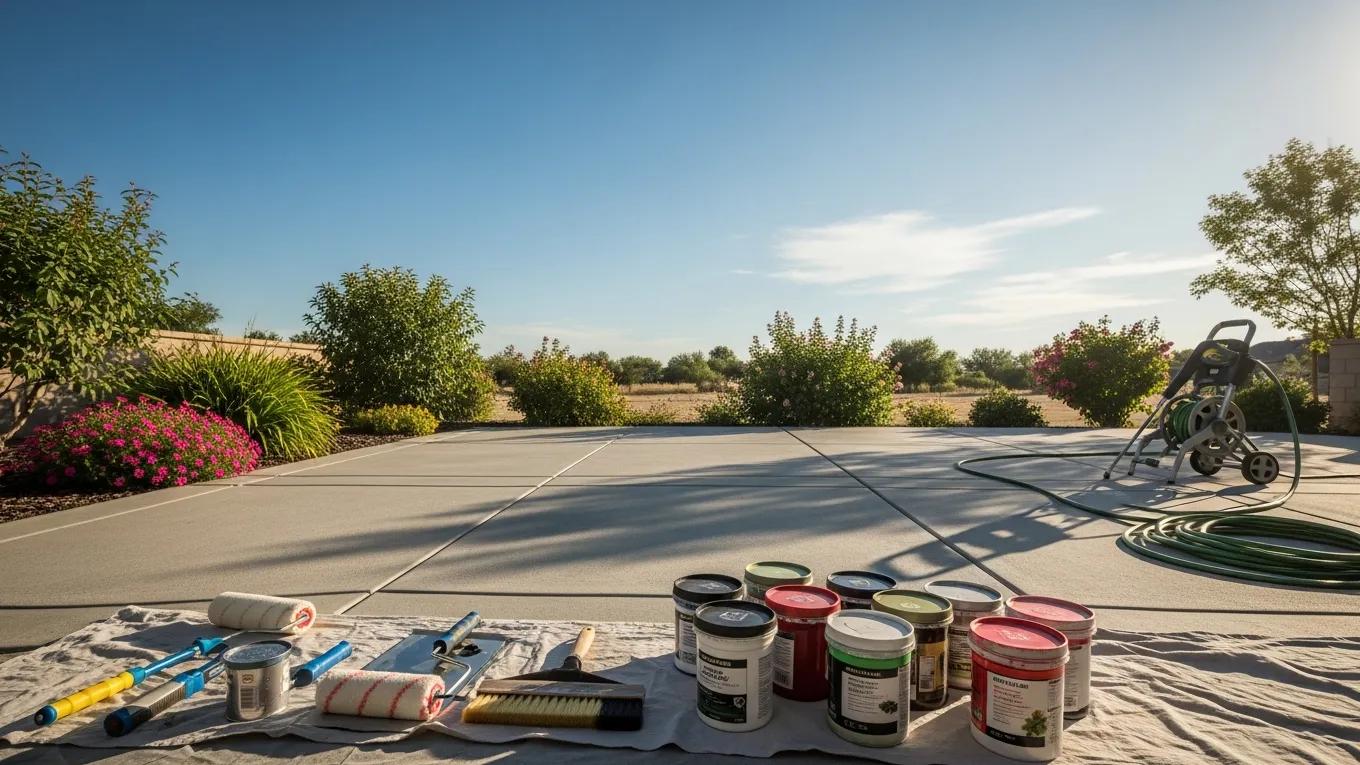
Best conditions combine moderate temperatures and mid-range humidity on a calm, dry day. Avoid staining in direct strong sun, heavy wind, rain, or near-freezing conditions. For service availability, see our service areas.
How Do Seasonal Changes in Milwaukee Affect Staining Results?
Summer heat and humidity can complicate timing and drying; winter cold and freezing risk prevent proper curing. Use seasonal awareness to plan projects on days with stable forecasts and acceptable conditions.
What Precautions Should Be Taken During Unfavorable Weather Conditions?
When weather is marginal, follow practical precautions:
- Monitoring Temperature and Humidity: Use a hygrometer to confirm conditions before and during work.
- Adjusting Application Techniques: Choose slower-drying products or change application size based on conditions.
- Scheduling Work Appropriately: Time projects for days with reliable, favorable weather to reduce risk.
These steps reduce the chance of adhesion and appearance problems caused by environmental stress.
Ideal Temperature & Humidity Ranges for Concrete Staining Success
Identify whether temperature or humidity (or both) caused the defect, then adjust drying time, surface prep, or application method. Simple corrective steps often resolve uneven color, adhesion issues, or premature fading.
What Are Typical Defects Caused by Environmental Factors?
Common defects include:
- Blotchy Appearance: Often from uneven drying or temperature shifts during application.
- Poor Adhesion: Can occur when moisture or high humidity prevents proper bonding.
- Fading: Rapid drying in hot, dry conditions can reduce long-term durability.
How Can Proper Surface Preparation Mitigate Weather-Related Problems?
Thorough surface preparation reduces weather-sensitive failures. Recommended practices appear below.
Careful cleaning, proper etching, and moisture checks greatly improve the likelihood of a consistent, durable stain regardless of weather.
In conclusion, controlling temperature and humidity—or timing and adapting your process when you cannot—will markedly improve concrete staining outcomes. Follow guidelines, prepare surfaces carefully, and adjust application to the conditions for long-lasting results.
Frequently Asked Questions
What tools are essential for a successful concrete staining project?
Essential tools include a quality applicator (roller or sprayer), concrete cleaner, etching solution, protective gear (gloves, goggles), and a moisture meter to confirm readiness.
Can concrete staining be done in direct sunlight?
Staining in direct sun is possible but risky because of rapid drying. If unavoidable, work in small sections, keep the surface slightly damp, or choose cooler times of day.
How long should I wait before sealing stained concrete?
Wait at least 24–48 hours under favorable conditions; allow longer in high humidity or cool temperatures. Follow the stain manufacturer’s recommendations for precise timing.
What are the signs that concrete is ready for staining?
Signs include a dry surface with no visible moisture, a clean, debris-free slab, and a properly etched texture. Use a moisture test to confirm readiness.
Is it possible to remove concrete stain if I am not satisfied with the results?
Yes. Chemical strippers or mechanical methods (grinding, shot blasting) can remove stain, though these can be labor-intensive and may change the surface texture—consult a professional if unsure.
How can I maintain the appearance of stained concrete over time?
Maintain stained concrete with regular cleaning using mild detergent and water, avoid harsh chemicals, and reseal every 1–3 years depending on traffic and exposure.